
Every drop of water we use comes with an energy cost. Whether it’s heating water for washing dishes or running a quick rinse at the sink, it all adds up. Most homeowners don’t realize that up to 15% of their total indoor water use comes from faucets, and a large share of that water is hot water. That means every gallon wasted also means wasted energy and money.
Enter the energy-saving faucet, a simple but powerful upgrade that helps households cut both water and energy use without compromising comfort or performance. It’s one of those rare improvements that is good for your wallet and the planet.
In this article, we’ll explore how energy-saving faucets work, the federal standards behind them, what makes them efficient, and which brands lead the way in performance and sustainability. Let’s get started!
Federal Rules: The Standards That Set the Baseline
The U.S. has had national plumbing efficiency standards in place for over 30 years. Under the Energy Policy Act of 1992 (EPAct 92), faucet manufacturers must meet specific flow-rate limits for products sold in the country.
Here’s what federal law requires:
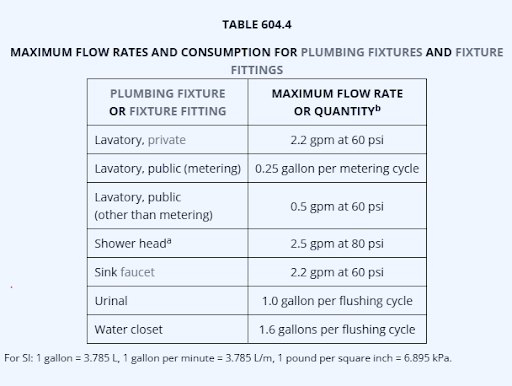
- Bathroom faucets: Maximum 2.2 gallons per minute (GPM) at 60 psi
- Kitchen faucets: Maximum 2.2 GPM
- Public lavatory faucets: Maximum 0.5 GPM
Although EPAct 92 was enacted in 1992, the plumbing fixture standards generally went into effect a bit later. For faucets and faucet accessories, the law required that new products manufactured and distributed after January 1, 1994, comply with the mandated maximum flow rates.
These limits ensure that no faucet sold in the U.S. wastes water excessively. The current Philadelphia Plumbing Code (based on 2018 IPC with local amendments) points to Table 604.4, which keeps the private-lavatory and sink-faucet maximum at 2.2 GPM at 60 psi.
The U.S. Department of Energy (DOE) enforces these standards through appliance and fixture regulations, while the Environmental Protection Agency (EPA) leads voluntary efficiency programs like WaterSense, which certifies the most water- and energy-efficient products.
Typical Water Flow and Household Use
According to the EPA report, each American uses an average of 82 gallons of water a day at home, and about 15% of that comes directly from faucets.
Older faucets, especially pre-1990s models, often release water at 3 to 5 GPM, wasting thousands of gallons every year. By contrast, an energy-saving faucet delivers the same cleaning power at 1.2 – 1.5 GPM.
Let’s put that into perspective:
- Switching to a WaterSense-labeled faucet can save 700 gallons of water per year for the average family.
- Over the faucet’s lifetime, that adds up to nearly 11,000 gallons saved.
- Nationally, if every U.S. household upgraded, we’d save 71 billion gallons of water and $1.6 billion in combined water and energy costs annually enough to meet the yearly water needs of 900,000 American homes.
What Is a Low-Flow Faucet?
A low-flow, also called a High-Efficiency faucet, is designed to provide adequate pressure and comfort while using significantly less water. These faucets use built-in technology like aerators to regulate how much water comes out without changing how it feels.
The EPA WaterSense program defines them as faucets that use 1.5 GPM or less while maintaining equal or better performance compared to standard 2.2 GPM faucets.
Replacing an old faucet with a WaterSense-certified model can:
- Save 30% or more in water use
- Cut energy demand for hot water heating
- Pay for itself through lower utility bills within a year
And since most energy-saving aerators cost only a few dollars, it’s one of the easiest home upgrades to make.
How Do Energy-Saving Faucets Work?
Energy-saving faucets are designed with simple yet smart mechanisms that help reduce water and energy use without sacrificing comfort or performance. A low-flow faucet is considered ONE type of energy-saving faucet; let’s get familiar with all of them:
1. Flow Restrictor
A flow is a built-in limiter that controls the maximum amount of water that can pass through the faucet, no matter how high your home’s water pressure is. If your plumbing system has strong pressure, a regular faucet might pour out more water than you really need. The restrictor creates a narrow passage that keeps the flow steady and efficient, ensuring that you don’t waste water just because the pressure happens to be high. This helps achieve consistent water conservation across different household conditions.
2. Aerator
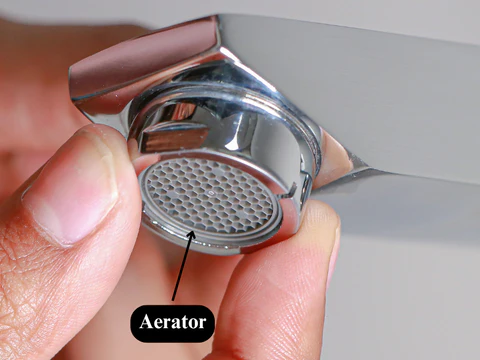
An aerator is a specific, more advanced type of flow restrictor that incorporates air into the water stream. It is a small screen or disk that attaches to the faucet tip. It mixes air into the water stream, breaking the flow into tiny droplets. This makes the stream feel strong and full, even though less water is actually coming out. Because air takes up space that water normally would, an aerator can reduce water flow by 30 to 40 percent while still maintaining good pressure and smooth performance. In short, you use less water but get the same comfortable experience.
3. Sensor Activation
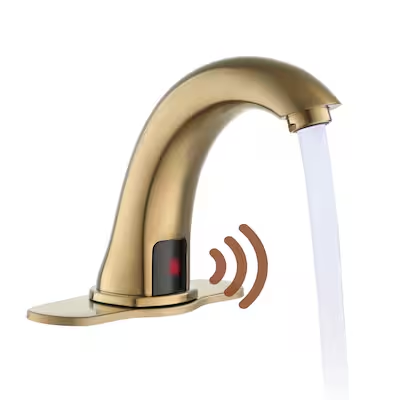
Many modern faucets use infrared or motion sensors to automatically start and stop the water flow. When you place your hands (or an object like a dish) under the faucet, the sensor detects movement and turns the water on instantly. When you pull your hands away, it shuts off again. This prevents water from running unnecessarily, like while you’re soaping your hands, brushing your teeth, or rinsing vegetables, and can save gallons of water each day simply by limiting run time.
4. Cold-Start Valve Design
A cold-start design is an intelligent feature that opens the faucet in the cold-water position by default. In traditional faucets, the handle’s center position typically mixes hot and cold water, which triggers your water heater even when you only need a quick rinse. With a cold-start faucet, the handle must be deliberately turned to the hot side to engage heated water. This avoids unnecessary use of hot water, reducing both energy consumption and strain on your water heater.

5. Thermostatic Mixing Valve
A thermostatic mixing valve is a precision control system that automatically blends hot and cold water to maintain a steady temperature. Instead of constantly adjusting the handles to find the “right” warmth, the valve does it for you. This not only makes using the faucet more comfortable but also prevents overheating, scalding, and wasted water from temperature readjustments. It’s especially useful in homes where water temperature can fluctuate due to other appliances or showers running at the same time.
Summary of Energy-Efficient Faucets Mechanisms
| Mechanism | How It Works | Energy / Water Benefit |
| Flow Restrictor | Limits maximum water output regardless of supply pressure | Consistent conservation even at high pressure |
| Aerator | Mixes air into the stream of water, maintaining pressure with less volume | Reduces flow by 30–40% while preserving comfort |
| Sensor Activation | Infrared or motion sensors start/stop flow automatically | Water only runs when hands or dishes are present |
| Cold-Start Valve Design | Faucet opens with cold water by default | Prevents unnecessary hot water activation, saving energy |
| Thermostatic Mixing Valve | Controls temperature precisely | Avoids overheating and waste from readjusting temperatures |
The beauty of these systems is that the end user experiences no “loss”, only smarter performance.
Pros and Cons of Energy-Saving Faucets
Energy-saving faucets offer clear benefits for both your wallet and the environment, but they also come with a few trade-offs that are worth understanding. Let’s look at both sides in plain language.
Pros
1. Lower Utility Bills
Because these faucets limit how much water flows through them, you automatically use less water every time you turn them on. Less water also means less hot water to heat, and heating water is one of the biggest energy costs in a home.
2. Eco-Friendly Performance
When you use less hot water, your water heater runs less often, and that directly reduces your home’s carbon footprint. Energy-saving faucets help conserve both water and the energy required to pump, treat, and heat it. Multiply those savings by millions of homes, and the environmental impact becomes enormous. In fact, if every U.S. household switched to WaterSense-labeled faucets, we’d save enough water every year to meet the needs of nearly 900,000 American homes.
3. Modern Technology and Design
Most energy-saving faucets come with advanced features such as touchless sensors, cold-start valves, or even smart-home integration. These technologies make daily routines more convenient and hygienic while also reducing waste. For example, touchless faucets stop water the moment you move your hands away, while cold-start models prevent your water heater from firing up unnecessarily. In other words, they combine luxury, hygiene, and efficiency in one fixture.
4. Easy Installation and Maintenance
Upgrading to an energy-saving faucet doesn’t require major plumbing work. Many homeowners can install one in under 10 minutes using just a wrench. In some cases, you don’t even need a full replacement; adding a low-flow aerator to your existing faucet can instantly reduce water use by 30% or more for just a few dollars. Maintenance is typically simple too: occasional cleaning or aerator replacement keeps performance steady.
5. Code Compliance and Property Value
Because they meet federal efficiency standards and often carry the EPA WaterSense label, energy-saving faucets automatically align with green-building certifications and modern plumbing codes. That means fewer permit issues for contractors and higher value for property owners who want to market their homes as energy-efficient or environmentally responsible.
Cons
1. Slightly Slower Flow
One of the most noticeable differences is that the water stream isn’t as forceful as older, high-flow faucets. It’s still strong enough for everyday use, but tasks that require high volume, like filling a large pot or bucket, may take a bit longer. For most people, the savings easily outweigh the few extra seconds of waiting.
2. Higher Upfront Cost
While a basic WaterSense faucet can be inexpensive, models with smart sensors or voice control cost more than traditional ones. However, these costs are usually offset by lower utility bills within the first year or two. Think of it as a small investment that pays back quickly and continues saving money over time.
3. Occasional Maintenance
Energy-saving faucets rely on precision parts like aerators and flow restrictors, which can clog in areas with hard water or mineral buildup. Cleaning or replacing these components every few months is an easy fix, but it does require occasional attention. For smart or sensor faucets, you may also need to replace batteries every couple of years.
What to Look For When Buying an Energy-Saving Faucet
When shopping, keep these five points in mind:
| Feature | Ideal Specification | Why It Matters |
| Flow Rate | 1.2 – 1.5 GPM | Federal and WaterSense compliant |
| Pressure Rating | 60 psi | Ensures consistent stream without splashing |
| Material | Brass, stainless steel, or lead-free alloy | Durability and water safety |
| Operation | Touchless, cold-start, or manual | Personal preference + efficiency |
| Label | WaterSense certified | Proven savings and verified performance |
Tip: If you’re renovating a property in Philadelphia, L&I typically accepts any EPA-certified WaterSense product to meet local plumbing and efficiency compliance.
Examples and Recommended Brands
Several trusted manufacturers produce energy-saving faucets designed for every type of home or commercial space, blending style, performance, and sustainability. For example:
- Moen’s Eco-Performance line delivers up to 1.5 GPM, using an aerated stream and a long-lasting cartridge that meets EPA WaterSense standards.
- GROHE EcoJoy™ single-lever faucets deliver up to 1.2 GPM and reduce water consumption by up to 50 percent.
- Delta’s WaterSense lavatory faucets balance comfort and efficiency, offering between 1.2 and 1.5 GPM through a pressure-compensating aerator that keeps the stream steady even when household pressure changes.
- Kohler’s touchless commercial faucets use motion sensors to keep flow between 0.5 and 1.0 GPM, perfect for restrooms with high traffic.
- Finally, Hansgrohe’s CoolStart collection limits flow to 1.2 GPM and ensures the faucet opens with cold water by default, saving energy every time it’s used.
| Brand | Model / Series | Flow Rate | Key Features |
| Moen | Eco-Performance | 1.5 GPM | Aerated stream, durable cartridge design, WaterSense labeled |
| Grohe | EcoJoy | 1.2 GPM | Adjustable limiter, modern design |
| Delta | WaterSense Lavatory | 1.2 – 1.5 GPM | Pressure-compensating aerator for a steady stream |
| Kohler | Touchless Commercial | 0.5 – 1.0 GPM | Ideal for public restrooms, motion-activated |
| Hansgrohe | CoolStart | 1.2 GPM | Cold-start function saves hot-water energy automatically |
Other Ways to Save Water and Energy at Home
An energy-saving faucet works best as part of a broader efficiency strategy. Combine it with:
- Low-flow showerheads (≤ 2.0 GPM)
- Dual-flush or high-efficiency toilets
- Insulated hot-water lines to prevent heat loss
- Smart leak detectors to catch silent drips
- Tankless water heaters for on-demand heating
Together, these upgrades can cut total household water use by up to 50% and reduce energy bills by 15–25% annually.
Conclusion
In the world of sustainable construction and smart home design, few upgrades offer such a high return on investment as the energy-saving faucet. It’s affordable, easy to install, and backed by credible data proving it saves both water and energy, two resources every household depends on.
At Matrix Construction, we always suggest our clients choose WaterSense-labeled faucets. Do it once, do it right! Remember, you’re not just saving gallons, you’re helping shape a future where efficiency, comfort, and sustainability flow hand in hand.
Let us know if you have any questions in the comments below.








![Philadelphia Sump Pump Installation Requirements [2026 Guide]](https://matrixgc.com/wp-content/uploads/2025/06/Philadelphia-Sump-Pump-Installation-400x250.jpg)
0 Comments