
Home Restoration in Philadelphia
Philadelphia has some of the oldest housing in the country. MatrixGC restores rowhomes, twins and Victorians so they keep their original character, the brick, plaster, trim and staircases, while getting safe, modern systems and code-compliant work behind the walls.
- Philadelphia contractor license #43984
- Masonry, plaster & millwork
- 203(k) restoration loans
- Permits handled
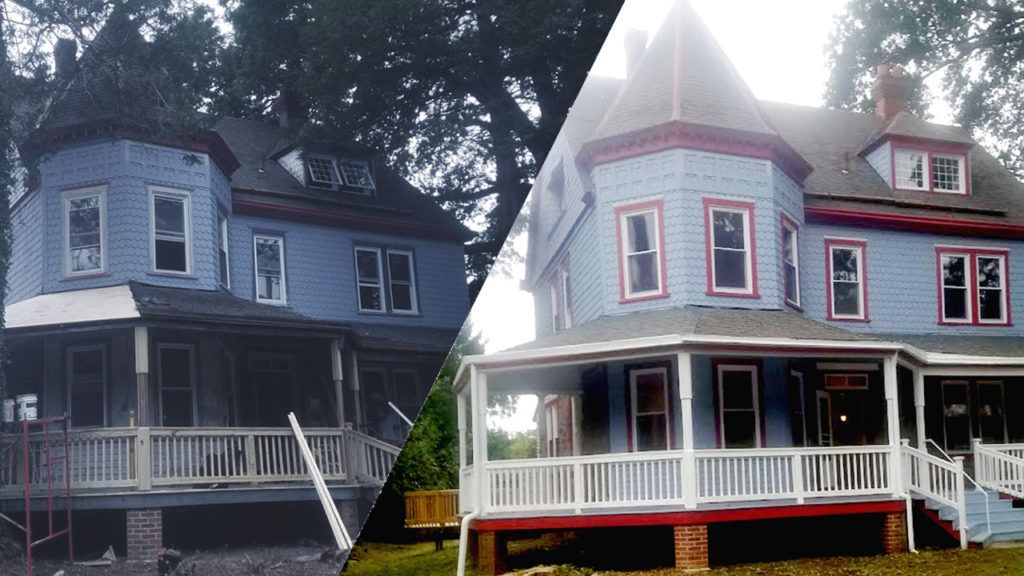
Restoration vs. renovation
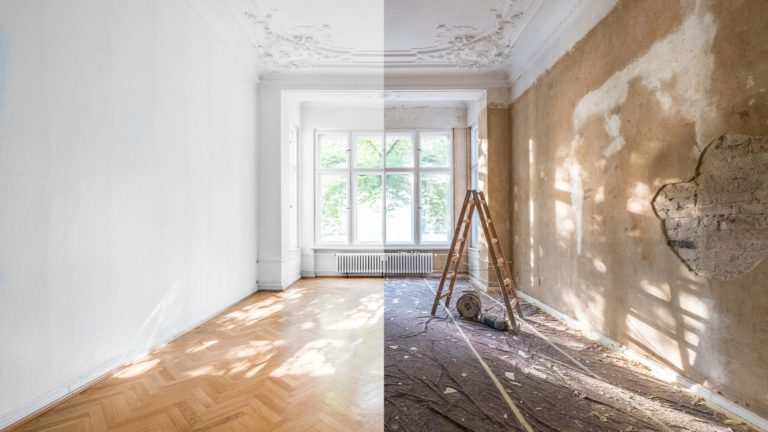
Renovation updates a house to a new look and layout. Restoration brings a house back to, or close to, its original character, repairing what is there instead of replacing it, while still bringing structure, wiring, plumbing and heating up to today's code.
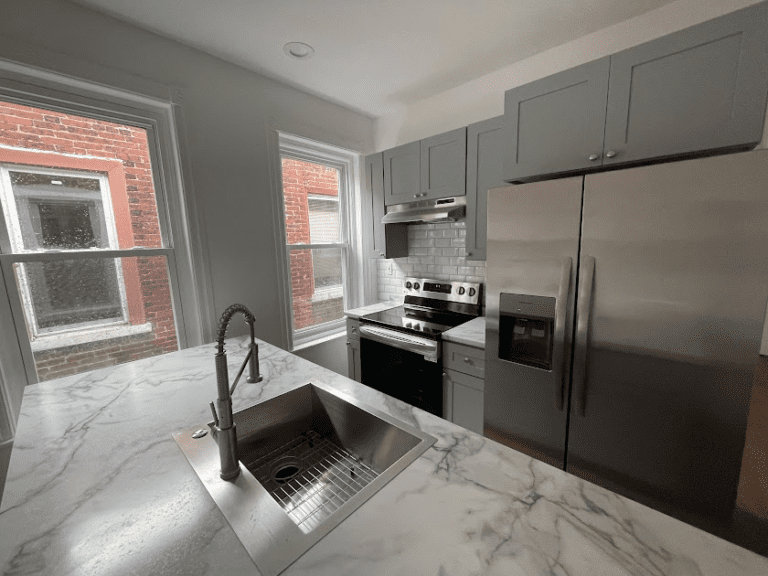
Many of our projects are a mix: restore the street-facing rooms and facade, and renovate the kitchen, baths and systems. See home renovation for full modern rebuilds.
- Keep: original brick, cornices, stairs, trim, doors and floors where they can be saved.
- Repair: plaster, masonry joints, wood windows and moldings.
- Upgrade: electrical, plumbing, HVAC, insulation and fire safety.
Restoration services
Masonry & facades
Brick repointing with compatible mortar, lintels, steps and stoops.
Plaster & walls
Plaster repair and wall restoration that matches the original finish.
Millwork & stairs
Trim, baseboards, doors, banisters and staircases repaired or matched.
Floors
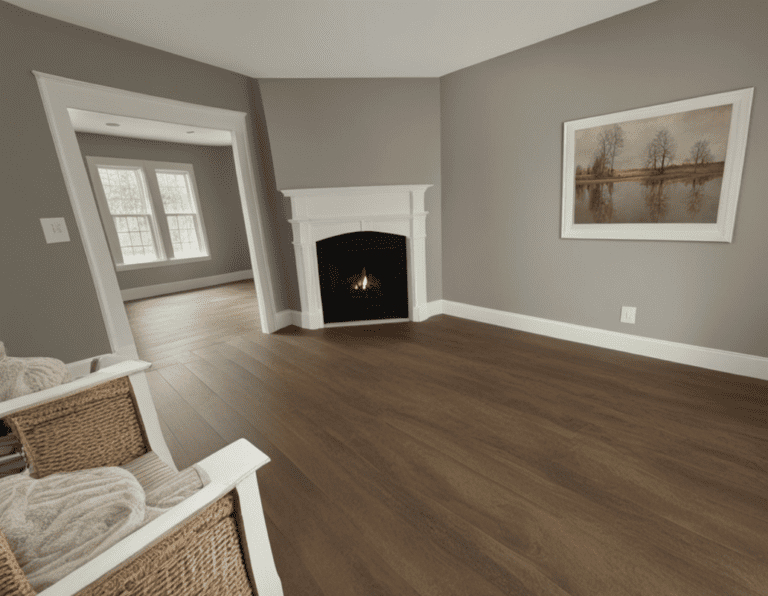
Original hardwood refinished, patched and leveled.
Windows & doors
Repair or replacement that fits the style of the house.
Structure & systems
Joists, bearing walls, roof, electrical, plumbing and HVAC brought up to code.
What does it cost to restore a Philadelphia house?
Restoration cost depends on the condition of the house, how much original material can be saved, and how much structural and systems work is needed. Careful repair of plaster, masonry and millwork takes more labor than replacing it, so we price each item separately and help you decide where restoration is worth it and where renovation makes more sense.
Buying an older home that needs work? An FHA 203(k) loan can finance the purchase and the restoration together.
Historic districts
If your home is on the Philadelphia Register of Historic Places or in a historic district, exterior work such as windows, doors, masonry and cornices usually needs approval from the Philadelphia Historical Commission before a permit is issued. We help you prepare the application and plan the work so it can be approved.
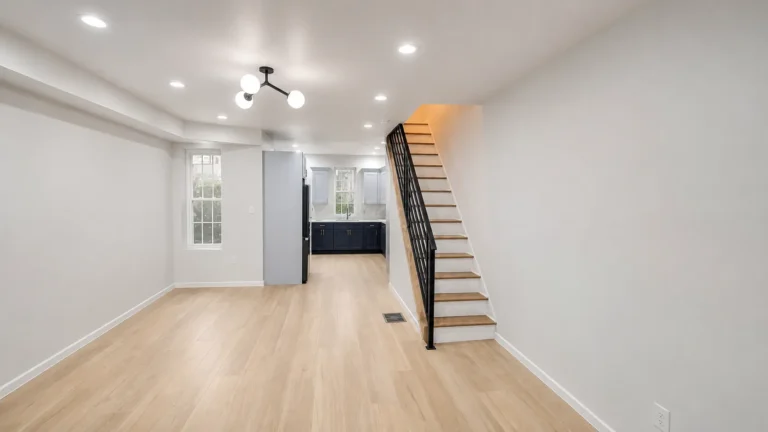
Ready to restore your Philadelphia home?
Tell us about the house. We will walk it with you and send a written plan and estimate.
Home restoration FAQs
What is the difference between restoration and renovation?
Restoration repairs and preserves a home’s original character, such as brick, plaster, trim and stairs. Renovation updates the house to a new design. Most older Philadelphia homes get a mix of both, with modern systems behind restored finishes.
How much does it cost to restore a house in Philadelphia?
It depends on the condition of the house and how much original material can be saved. After a walkthrough we give you an itemized estimate so you can decide where to restore and where to renovate.
Do I need Historical Commission approval?
If your property is on the Philadelphia Register of Historic Places or in a historic district, most exterior changes need Philadelphia Historical Commission review before a building permit is issued. Interior work usually does not.
Can I use a 203(k) loan for a restoration?
Yes. An FHA 203(k) loan can cover the purchase of an older home and its restoration in one mortgage. We write lender-ready bids and work with your HUD consultant.
Can you match original plaster and trim?
In most cases, yes. We repair plaster and match moldings, baseboards and stair parts so new work blends with the original.
Do you offer a warranty?
Yes. On request we provide a 6-month workmanship warranty. It is void if another contractor works on the same area after us.