
1. Introduction
When people talk about “building your own house,” the phrase can mean several different things. For some, it’s the dream of physically hammering nails, raising walls, and constructing the home with their own hands. For others, it simply means taking charge of the project—managing the budget, hiring trades, and overseeing construction—without personally doing the skilled labor.
In Pennsylvania, this distinction matters. State and local regulations treat an owner‑builder very differently from a homeowner who hires a licensed general contractor. An owner‑builder takes on direct responsibility for code compliance, inspections, and the safety of anyone working on the property. A general contractor, on the other hand, assumes those responsibilities and must meet specific licensing and insurance requirements.
Understanding which role you intend to take is crucial because Pennsylvania’s building rules, permit processes, and liability laws vary depending on who is officially in charge of the build. Before starting your project, it’s important to know what’s legally allowed, what’s practical, and what responsibilities you’ll need to take on.
2. Is It Legal to Build Your Own House in Pennsylvania?
Yes—Pennsylvania does allow you to build your own house, but the law draws a clear line between building a home for yourself and acting as a contractor for others. As long as you are constructing a primary residence for your own use (not for resale or for someone else), you can generally operate as an owner‑builder.
Pennsylvania state laws on owner‑builders
Under the Pennsylvania Uniform Construction Code (UCC), homeowners are permitted to pull their own building permits as the property owner. This allows you to supervise or perform the construction work yourself without holding a contractor’s license. However, you still must follow all building codes, inspection schedules, energy‑efficiency rules, and local municipal requirements.
When you are allowed to act as your own contractor
You can act as your own general contractor if:
- You own the property where the home will be built
- The home will be your primary residence
- You are not building the home for immediate resale or as part of a business
- You agree to take full responsibility for the project, including code compliance and worker safety
As the owner‑builder, you can choose to do the physical labor yourself or hire subcontractors for specific tasks like electrical, plumbing, or HVAC. Keep in mind that some trades (especially electrical) may require licensed professionals depending on your municipality.
Key limitations and legal responsibilities
Acting as your own contractor comes with significant obligations:
- You are legally responsible for meeting all building codes and passing inspections
- You must obtain the correct permits—structural, electrical, plumbing, mechanical, septic, and zoning approvals
- You may need to provide proof of insurance to protect workers and visitors on the site
- You can be held liable for injuries, unsafe work conditions, or code violations
- You cannot use the owner‑builder exemption to construct homes for profit or repetitive builds
In short, it’s legal to build your own house in Pennsylvania, but you are taking on the same responsibilities that a licensed general contractor would—without the professional liability protections they typically carry.
3. What Is an Owner-Builder in PA?
An owner‑builder is a property owner who takes responsibility for building or significantly renovating their own home instead of hiring a general contractor to manage the project. In Pennsylvania, this usually means the homeowner applies for the building permits, coordinates construction, and ensures the project complies with the Pennsylvania Uniform Construction Code (UCC) and local municipal rules.
Being an owner‑builder does not necessarily mean you perform all the construction work yourself. Many owner‑builders still hire licensed subcontractors—such as electricians, plumbers, and HVAC technicians—to complete specialized work. The key difference is that you are the person legally responsible for the project, not a hired general contractor.
Differences between a homeowner, contractor, and developer
These roles can overlap, but they typically serve different functions in a construction project.
- Homeowner: The person who owns the property and will live in the home. A homeowner may simply hire a builder and have little involvement in construction decisions beyond design and budgeting.
- Contractor (General Contractor): A professional hired to manage the construction project. The contractor coordinates subcontractors, schedules work, ensures code compliance, and handles many aspects of permits and inspections.
- Developer: A person or company that builds homes as a business, often constructing multiple houses for sale or investment. Developers usually hire contractors and build projects for profit rather than personal use.
When you choose to build your own house without hiring a general contractor, you effectively step into the contractor’s role.
When you are considered the “contractor of record”
In Pennsylvania construction projects, the contractor of record is the person or company officially responsible for the building permit and compliance with building codes. If you apply for the permit yourself as the property owner and do not list a licensed contractor to oversee the project, the municipality will typically treat you as the contractor of record.
This means you are responsible for:
- Ensuring the construction follows the Uniform Construction Code
- Scheduling and passing required inspections
- Hiring qualified subcontractors when needed
- Maintaining site safety and compliance with local regulations
Because the contractor of record carries legal responsibility for the project, municipalities often require owner‑builders to sign forms acknowledging these obligations before permits are issued.
4. Licensing Requirements in Pennsylvania
Licensing and registration rules in Pennsylvania can be confusing because the state has no statewide general‑contractor license, yet certain types of work and certain municipalities have their own requirements. Here’s how it works for owner‑builders and anyone involved in residential construction.
Do you need a contractor license in PA?
For most of Pennsylvania, there is no state‑issued general contractor license. This means a homeowner can legally act as their own builder without holding a professional license. However, you are still required to follow all building codes, obtain permits, and hire licensed trades where necessary (such as electrical work in many municipalities).
Pennsylvania Home Improvement Consumer Protection Act (HICPA) explained
The Home Improvement Consumer Protection Act (HICPA) is often misunderstood as a contractor licensing system. It’s not a license—it’s a mandatory registration system for contractors who perform home improvement work totaling $500 or more. HICPA requires contractors to register with the Pennsylvania Attorney General and follow strict consumer‑protection rules, including written contracts and insurance requirements.
Important notes:
- HICPA applies to remodeling, additions, repairs, and renovations, not new home construction.
- Owner‑builders working on their own primary residence are generally exempt because they are not performing home improvements as a business.
When registration is required vs. not required
Registration under HICPA is required when:
- You are a contractor performing home improvements for paying customers
- You operate a construction or renovation business
- You build or remodel homes for resale as part of a business activity
Registration is NOT required when:
- You are building a new primary residence for yourself
- You are not holding yourself out as a contractor or accepting payment for
5. Zoning and Land Use Regulations
Before you can build a house in Pennsylvania, the property must comply with local zoning and land use regulations. Zoning determines how land can be used and what type of structures are allowed on it. Even if you own the land, zoning rules may limit what you can build, where you can place the structure, and how large it can be.
How zoning affects your ability to build
Each municipality in Pennsylvania—cities, boroughs, and townships—creates its own zoning ordinance. These rules divide land into districts such as residential, commercial, agricultural, or mixed‑use. Your property must be located in a zoning district that allows single‑family residential construction before you can build a house.
Zoning may also regulate things like driveway access, stormwater management, environmental protection areas, and whether additional structures (such as garages or accessory dwelling units) are permitted.
Minimum lot size, setbacks, and height restrictions
Local zoning codes typically control several key aspects of residential construction:
- Minimum lot size: The smallest parcel of land allowed for a residential building. Rural areas may require larger lots, especially if the property uses a private well or septic system.
- Setbacks: The required distance between the house and property boundaries. These usually include front yard, rear yard, and side yard setbacks that determine where on the lot the house can be placed.
- Height limits: Zoning may restrict how tall a residential structure can be, often measured in stories or feet from grade.
- Lot coverage: Some municipalities limit how much of the lot can be covered by buildings or paved surfaces.
If your proposed house does not meet these requirements, you may need to apply for a zoning variance, which requires approval from the local zoning hearing board.
How to check zoning in your municipality
To determine what you can build, start with your local municipal office. Most municipalities provide:
- A zoning map showing the zoning district for each property
- The zoning ordinance, which explains what is permitted in each district
- Information about permits, variances, and land development approvals
Many townships and cities now publish these resources online through their planning or zoning department websites.
Special considerations in Philadelphia vs. rural areas
Zoning rules vary significantly depending on where you are in Pennsylvania.
- Philadelphia: The city has a detailed zoning code administered by the Department of Licenses and Inspections (L&I). Projects often require multiple approvals, zoning permits, and sometimes review by the Zoning Board of Adjustment. Lot sizes are smaller and regulations are more complex.
- Suburban and rural municipalities: Regulations are often simpler, but there may be additional considerations such as septic approvals, well permits, environmental protection areas, or agricultural zoning restrictions.
Because zoning rules are set locally, the most important step before planning construction is confirming that your specific parcel is approved for residential building and understanding the dimensional requirements that will apply to your home.
6. Permits You Will Need to Build a House
Building a home in Pennsylvania requires multiple permits, most of them issued by your local municipality. Even if you act as an owner‑builder, you must follow the same permitting process a general contractor would. The exact requirements vary by township or city, but the categories below apply almost everywhere.
Building permits (structural)
The core permit for new home construction is the building permit, sometimes called the “construction permit” or “structural permit.” This covers the home’s foundation, framing, structural integrity, insulation, roofing, windows/doors, and compliance with the Pennsylvania Uniform Construction Code (UCC).
To obtain this permit, you typically must submit:
- Building plans and elevations
- Plot or site plan showing the house footprint and setbacks
- Engineering details for foundations or special conditions
- Energy‑code compliance documentation
- Zoning approval (often required first)
Once the permit is issued, you must pass multiple inspections throughout the build—footing, foundation, framing, insulation, energy, and final occupancy.
Electrical, plumbing, and mechanical permits
In most municipalities, separate permits are required for specialized work:
- Electrical permit – Often must be performed or supervised by a licensed electrician, depending on local rules.
- Plumbing permit – Some municipalities require licensed plumbers; others allow owner‑builders to do their own work.
- Mechanical/HVAC permit – Covers furnaces, boilers, ductwork, heat pumps, etc.
Each of these trades also involves its own inspections at rough‑in and final stages.
Septic vs. public sewer approvals
Your property’s wastewater system determines a major part of the permitting process.
- Public sewer connection: Requires approval from the municipal sewer authority. You may need permits for tapping into the sewer line and running laterals to the house.
- Septic system: Requires approval from a certified Sewage Enforcement Officer (SEO). Before you can build, you must complete:
– Percolation (“perc”) tests
– Soil evaluations
– A septic system design
– Final installation inspection
Septic approval is often required before a building permit can be issued, especially in rural areas.
Pennsylvania Department of Labor & Industry (L&I) role in code enforcement
The Pennsylvania Department of Labor & Industry oversees the state’s Uniform Construction Code (UCC), but it does not issue most building permits. Instead:
- Municipalities can opt to enforce the UCC themselves, or
- They can rely on state‑certified third‑party inspectors.
The state steps in primarily when:
- A municipality has opted out of UCC enforcement
- Specialized accessibility or commercial code issues arise
- Appeals or disputes occur
For most residential projects, your township or city—not the state—handles permits directly.
Local permit offices (e.g., Philadelphia L&I / ECLIPSE system)
Each locality has its own permitting process. Examples:
- Philadelphia: Uses the L&I department and the ECLIPSE online system for permit applications. You may need zoning permits, site‑plan review, utility clearances, and sometimes special approvals depending on the neighborhood.
- Suburban municipalities: Often use in‑person permit offices or online systems like eCode360 and OpenGov. Plan review is typically faster and less complex than in major cities.
- Rural townships: May rely heavily on third‑party inspectors and have fewer layers of approval, but require strict septic/well compliance.
No matter where your property is located, you should expect multiple permits, staged inspections, and coordination with your local zoning and building department throughout the build.
7. Construction Codes You Must Follow
When you build a house in Pennsylvania—whether as an owner‑builder or with a contractor—you must follow the Pennsylvania Uniform Construction Code (UCC) and the building standards it incorporates. These codes ensure safety, structural integrity, fire protection, and energy efficiency.
Overview of the Pennsylvania Uniform Construction Code (UCC)
The UCC is Pennsylvania’s statewide building code system. It sets minimum standards for construction and applies to almost every residential structure. While municipalities administer and enforce the UCC, the rules themselves come from statewide adoption of national model codes.
For owner‑builders, this means your home must be designed, built, and inspected according to the same standards professional builders must meet.
International Residential Code (IRC) adoption
Pennsylvania adopts and updates the International Residential Code (IRC) as part of the UCC. The IRC governs nearly every aspect of one‑ and two‑family dwellings, including:
- Foundation design
- Framing and structural requirements
- Roof systems
- Fire safety and egress
- Plumbing, electrical, and mechanical minimum standards
- Insulation and energy‑efficiency details
- Ventilation and indoor air quality
Even if you are building the home yourself, you must construct it according to the IRC sections adopted by Pennsylvania at the time your permit is issued.
Energy code requirements
New homes in Pennsylvania must also comply with statewide energy‑efficiency requirements, primarily based on the International Energy Conservation Code (IECC). These rules cover:
- Insulation levels (R‑values for walls, ceilings, floors)
- Air sealing and blower‑door testing
- Energy‑efficient windows and doors (U‑factor ratings)
- Duct sealing and ventilation
- Heating and cooling system efficiency
Municipalities will require energy documentation—often a REScheck report—before approving your building permit.
Inspections required at each phase
Pennsylvania’s UCC mandates inspections at critical points in the construction process. While exact requirements vary by municipality, owner‑builders can expect inspections at the following stages:
- Footing inspection before concrete is poured
- Foundation inspection after walls are formed or set
- Framing inspection once structure, windows, and roof are installed
- Plumbing rough‑in
- Electrical rough‑in
- Mechanical/HVAC rough‑in
- Insulation and energy inspection
- Drywall or fire‑resistance inspection, if applicable
- Final inspection for occupancy approval
If work is covered before an inspector approves it, you may be required to uncover the work—an inconvenience (and expense) many owner‑builders don’t anticipate.
The inspection schedule ensures your build meets all IRC and UCC requirements, and passing these inspections is mandatory before you can receive a Certificate of Occupancy and legally move into the home.
8. Step-by-Step Process to Build Your Own House in PA
Building your own home in Pennsylvania is a multi‑stage process that requires careful planning, adherence to regulations, and significant effort. Here’s a general step‑by‑step guide for owner‑builders.
8.1 Buying Land
The first and arguably most crucial step is selecting the right piece of land.
- What to check before purchasing:
- Zoning: Verify that the land is zoned for residential use and that the desired house size and type are permitted. Check for any overlays (e.g., historic districts, environmental protections).
- Deed restrictions/HOA: Review the deed for any restrictive covenants that might limit your build (e.g., minimum house size, architectural style). If it’s in a planned community, understand the Homeowners Association (HOA) rules.
- Topography: Consider the slope, soil conditions, and potential for stormwater runoff. These can significantly impact site preparation costs.
- Environmental factors: Check for wetlands, floodplains, steep slopes, or protected species that could limit development. A Phase I Environmental Site Assessment might be advisable.
- Utilities and access:
- Public sewer/water: If available, check the cost and feasibility of tapping into existing lines.
- Private well/septic: If public services aren’t available, ensure the land can support a private well (check water table, yield) and a septic system (percolation tests are essential before purchase).
- Electrical/Gas: Verify the availability of utility connections and the cost to bring them to your building site.
- Road access: Confirm legal access to a public road.
8.2 Designing the Home
This phase translates your vision into actionable blueprints.
- Hiring an architect or engineer:
- Even as an owner‑builder, professional design is often essential. An architect can help optimize layout, aesthetics, and energy efficiency.
- An engineer (structural, civil, or geotechnical) may be needed for complex foundations, unusual site conditions, or specific structural elements.
- When stamped plans are required:
- In Pennsylvania, many municipalities require that construction plans be stamped by a Pennsylvania‑licensed architect or engineer. This assures the building department that the plans meet professional standards and structural integrity.
- Check with your local building department early to understand their specific requirements.
8.3 Getting Permits Approved
This is where your plans meet local regulations.
- Submission process:
- Gather all required documents: completed application forms, architectural/engineered plans, site plan, energy calculations (e.g., REScheck), septic/well permits, zoning approval, and any other local requirements.
- Submit your complete permit package to your municipal building department. Be prepared to pay application fees.
- Common delays and how to avoid them:
- Incomplete applications: Ensure all forms are filled out correctly and all required documents are included.
- Code deficiencies: Plans that don’t meet UCC or local amendments will be sent back for revisions. Use your architect/engineer to ensure compliance from the start.
- Zoning issues: Resolve any zoning variances or special exceptions before applying for building permits.
- Seasonal limitations: Septic percolation tests often cannot be performed in winter. Plan accordingly.
- Communication: Maintain open communication with the plan reviewers and respond promptly to any requests for information.
8.4 Site Preparation
Once permits are in hand, you can begin preparing the physical site.
- Excavation, grading, utilities:
- Clearing and grubbing: Remove trees, brush, and debris from the building footprint.
- Excavation: Digging the foundation, basement, or crawl space.
- Grading: Shaping the land to ensure proper drainage away from the house.
- Temporary utilities: Set up temporary power, water, and sanitary facilities for the construction crew.
- Utility trenches: Dig trenches for water, sewer, electrical, and other service lines from the street or well/septic system to the house.
8.5 Construction Phases
This is the actual building of your home, typically involving sequential stages and inspections.
- Foundation:
- Layout and excavation
- Footings (requires inspection)
- Foundation walls (poured concrete or block)
- Waterproofing and drainage systems
- Slab or basement floor (requires inspection)
- Framing:
- Floor system, walls, roof trusses or rafters
- Exterior sheathing
- Window and door installation
- Roofing underlayment and shingles/materials (requires inspection)
- Rough‑ins (electrical, plumbing, HVAC):
- Installation of all wiring, electrical boxes, and panels
- Installation of all water supply lines, drain‑waste‑vent (DWV) piping
- Installation of ductwork, furnace, air conditioning unit, and vents
- These all require separate rough‑in inspections before being covered.
- Insulation and drywall:
- Installation of wall, ceiling, and floor insulation (requires inspection).
- Vapor barrier application.
- Hanging and finishing drywall.
- Finishes:
- Interior painting and trim work.
- Flooring installation (hardwood, tile, carpet).
- Cabinetry and countertops.
- Plumbing fixtures, lighting fixtures, and electrical outlets/switches.
- Exterior siding, decking, and landscaping.
8.6 Final Inspection and Certificate of Occupancy
The final hurdle before you can move in.
- What inspectors look for:
- Confirmation that all previous code deficiencies have been corrected.
- Functionality and safety of all systems (electrical, plumbing, HVAC).
- Fire safety, egress (exits), and smoke/carbon monoxide detectors.
- Accessibility features, if applicable.
- Compliance with final grading and drainage plans.
- How to pass final inspection:
- Ensure all work is complete and accessible for inspection.
- Have all required safety equipment installed (e.g., railings, smoke detectors).
- Clean up the site (remove debris, clear access).
- Address any issues raised during previous inspections.
- Once the final inspection passes, the municipality will issue a Certificate of Occupancy (CO), which legally allows you to live in the home.
9. The “Vanilla Box” Construction Method (Cost-Saving Strategy)
The Vanilla Box approach is one of the most practical ways to build a home in Pennsylvania—especially in markets like Philadelphia where costs, permits, and inspections can quickly become overwhelming. Instead of taking on the entire project at once, this method separates the technical, code-heavy work from the cosmetic finishes, allowing homeowners to save money while still building safely and legally.
9.1 What Is a Vanilla Box Build?
A Vanilla Box build means completing the core structure of the house—everything required to make the property structurally sound, weather-tight, and fully compliant with building codes—while leaving the interior finishes for later.
In simple terms:
You build the hard part first, and finish the easy part over time.
Included vs. Excluded at a glance:
- Included: Structure, exterior, systems, and inspections
- Excluded: Aesthetic finishes and final touches
This approach is especially useful for owner-builders who want control over costs without compromising on safety or compliance.
9.2 What’s Included in a Vanilla Box
A proper Vanilla Box is not a “half-built house.” It is a fully permitted, inspected, and structurally complete shell that meets code requirements.
Typically, it includes:
- Foundation and structural framing
Footings, foundation walls, beams, joists, and full framing of the structure - Roof and exterior shell (weather-tight)
Roofing system, siding, flashing, and waterproofing to protect the structure - Windows and doors
Installed and sealed to meet energy and weatherproofing standards - Electrical, plumbing, and HVAC rough-ins
All major systems are installed behind the walls and inspected - Permits and inspections
All required inspections are completed up to the rough phase under the
Pennsylvania Uniform Construction Code
At this stage, the house is structurally complete and ready for interior finishes.
9.3 What’s NOT Included (Homeowner Scope)
The cost savings come from what you don’t include in the initial construction phase.
These are typically left for the homeowner to complete:
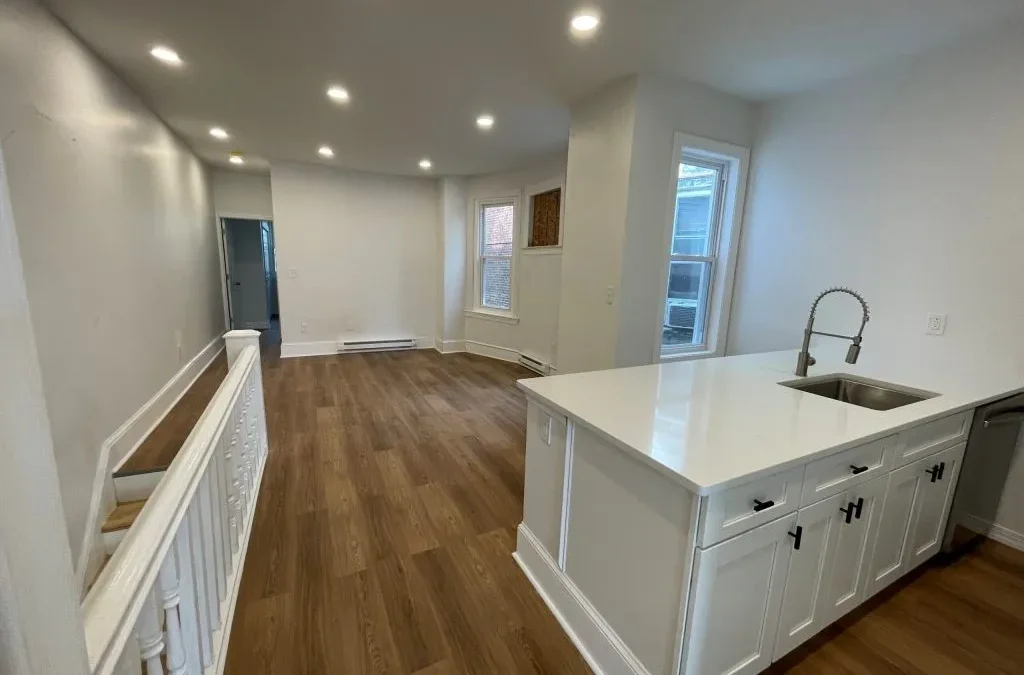
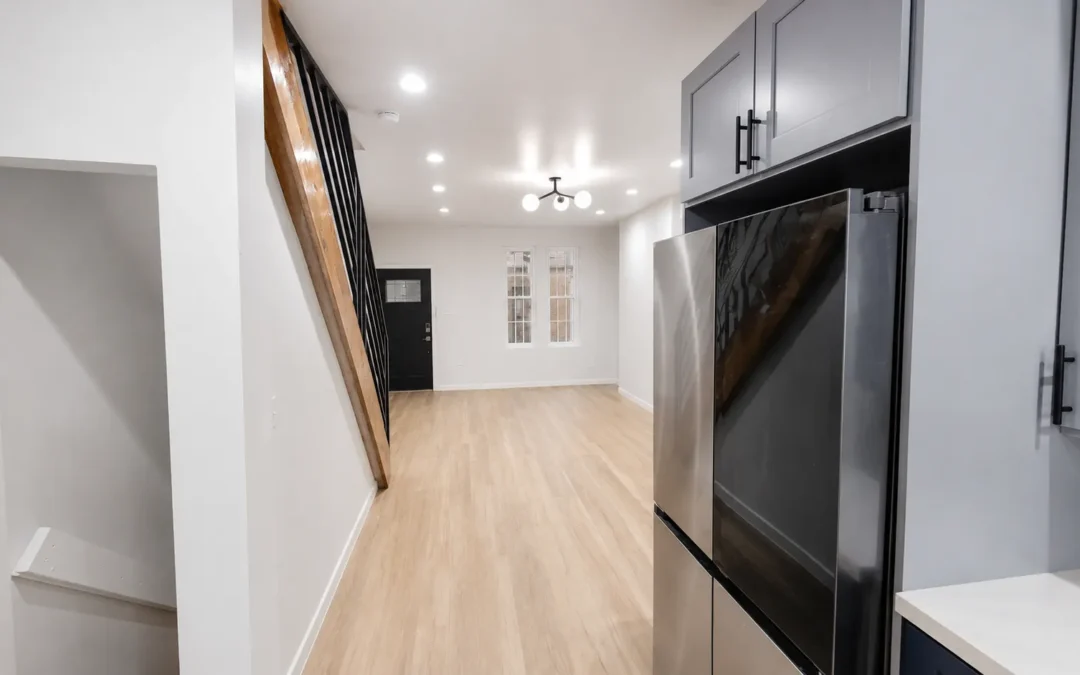
- Flooring (hardwood, tile, laminate, carpet)
- Trim work (baseboards, crown molding, doors)
- Painting and drywall finishing (in some cases)
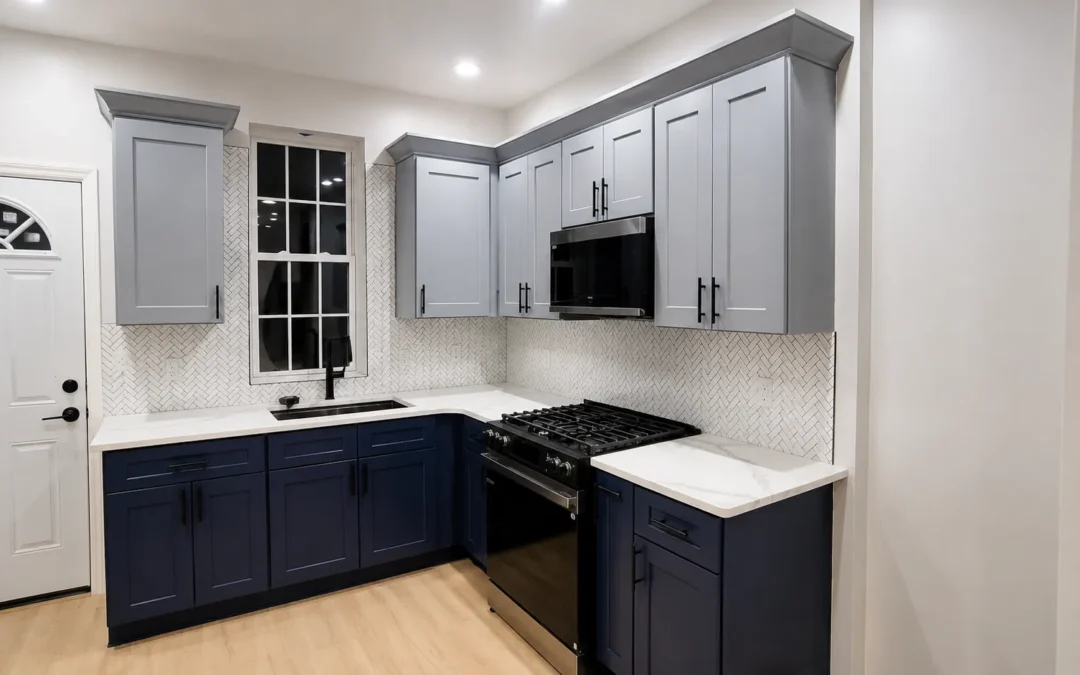
- Cabinets and countertops
- Light fixtures, plumbing fixtures, and appliances
- Final detailing and design finishes
This is where homeowners can save tens of thousands of dollars by doing the work themselves or hiring smaller subcontractors later.
9.4 Why Vanilla Box Works in Pennsylvania
The Vanilla Box method is particularly effective in Pennsylvania due to how construction is regulated and approved.
- Ideal for Philadelphia row homes and additions
Tight spaces, shared walls, and zoning constraints make it critical to get the structure right the first time. Vanilla Box focuses on exactly that. - Helps navigate permits and inspections
Municipalities like the Philadelphia Department of Licenses and Inspections require strict compliance during structural and system phases. Completing these upfront avoids costly rework. - Reduces upfront cost while staying code-compliant
You invest in what inspectors care about first—structure, safety, and systems—while delaying cosmetic expenses.
In a market where financing and cash flow are major constraints, this phased approach gives homeowners flexibility without cutting corners.
9.5 Vanilla Box vs. Full Build
Understanding the difference between these two approaches is critical before deciding how to move forward.
Cost Comparison
- Vanilla Box: Lower initial cost (focus on essentials only)
- Full Build: Higher upfront cost (includes all finishes and labor)
Timeline Differences
- Vanilla Box: Faster to reach “livable structure,” but longer overall if finishing is phased
- Full Build: Longer upfront timeline, but move-in ready at completion
Risk Comparison
- Vanilla Box:
- Lower financial risk upfront
- Higher coordination responsibility for the homeowner
- Full Build:
- Higher financial commitment
- Lower involvement and fewer decisions for the homeowner
For many Pennsylvania homeowners, Vanilla Box strikes a balance between affordability and control.
9.6 Who Should Consider This Approach
The Vanilla Box method is not for everyone—but for the right person, it can be a powerful strategy.
- Budget-conscious homeowners
Those looking to reduce upfront costs and spread expenses over time - DIY-capable owners
Homeowners comfortable handling finishes like flooring, painting, or installing fixtures - Investors using phased construction
Especially useful for BRRRR strategies or staged renovations - Homeowners building additions
Allows the structural expansion to be completed professionally while finishing can be done gradually
10. Can You Do All the Work Yourself?
Many owner‑builders in Pennsylvania want to know how much of the construction they can legally do on their own. The answer: you can do a significant amount of work yourself, but some tasks should be handled by licensed professionals—and some municipalities require it.
What you can legally DIY
Pennsylvania’s UCC does allow owner‑builders to perform much of their own construction work, as long as the home is for their own use and all work complies with code. You can typically do the following yourself:
- Site work: clearing, grading, digging (if done safely)
- Foundation prep (forms, drainage, waterproofing), though many hire pros for concrete
- Framing and sheathing
- Roofing installation
- Insulation and drywall
- Interior finishes (flooring, trim, cabinets, paint)
- Exterior siding and decks (depending on local rules)
- General project management, scheduling, and inspections
Owner‑builders can legally do a lot—but the work must still pass inspections, and mistakes at the structural or waterproofing stages can be very costly to fix later.
What should be left to licensed trades
Even though owner‑builders may do almost anything physically, several trades are regulated at the local level. Many municipalities require these to be done by licensed or certified workers:
- Electrical work: Often must be performed or signed off by a licensed electrician.
- Plumbing: Many municipalities require licensed plumbers for DWV and potable‑water systems.
- Mechanical/HVAC: Furnaces, boilers, heat pumps, and gas lines often require certified installers.
- Gas piping: Almost always must be installed and pressure‑tested by a licensed professional.
- Septic systems: Installation must be approved and inspected by a Sewage Enforcement Officer (SEO).
- Wells: Must be drilled and documented by a certified well driller.
Even if a municipality technically allows owner‑performed work, hiring pros for these systems reduces liability, improves safety, and increases the likelihood of passing inspections without delays.
How Vanilla Box helps divide responsibilities
For many owner‑builders, a “Vanilla Box” approach creates the perfect balance. A Vanilla Box home is built to a point where the structure, major systems, and inspections are complete, but the interior is left unfinished. This lets you take on the tasks you’re most comfortable with while leaving the complex portions to professionals.
Typically, a Vanilla Box includes:
- Foundation, framing, and roof completed
- Windows, doors, and exterior weatherproofing installed
- Electrical, plumbing, and HVAC rough‑ins professionally done
- Inspections passed through the rough‑in stage
- Drywall hung (sometimes finished, sometimes not)
After that, the owner‑builder takes over:
- Painting
- Flooring
- Kitchen and bathroom installations
- Interior trim and finish carpentry
- Closets, shelving, and fixtures
- Exterior landscaping or deck finishing
This approach reduces risk, ensures code‑compliant work on the most technical systems, and still saves significant money by letting you DIY at the finish stage.
Thinking about adding space to your home?
MatrixGC designs and builds second-story, rear, third-floor and ADU additions in Philadelphia and South Jersey. Free estimate and free design consultation, permits handled, 203(k) and HomeStyle loans welcome. Buying a fixer-upper? See our 203(k) renovation services.
11. Insurance and Liability Risks
When you build your own house in Pennsylvania—especially as an owner‑builder—you take on legal and financial risks that a licensed general contractor would normally absorb. Understanding the insurance landscape is critical for protecting yourself, your property, and anyone who sets foot on the job site.
Builder’s Risk Insurance
Builder’s risk (also called “course of construction” insurance) is the most important policy for an owner‑builder.
What it covers:
- Damage to materials, equipment, and the structure while under construction
- Fire, theft, vandalism, and certain storm damage
- Loss of materials stored on‑site or sometimes off‑site
- Soft‑cost coverage for delays (depending on policy)
Why owner‑builders need it:
- Homeowners insurance typically won’t cover a house under construction
- Banks and lenders require it for construction loans
- Without it, any major damage (windstorm, arson, structural collapse) comes out of your pocket
Key considerations:
- You must list yourself as the “general contractor” if you aren’t hiring one
- All subcontractors need their own liability insurance (proof of certificate required)
- Coverage usually lasts 6–12 months and ends when you get a Certificate of Occupancy
General Liability Considerations
As an owner‑builder, you are legally responsible for injuries and property damage unless another party carries their own valid liability insurance.
Risks covered by general liability insurance include:
- A visitor, neighbor, delivery driver, or inspector getting injured on your site
- Damage to adjacent properties caused by construction activities
- Lawsuits arising from unsafe conditions
If a subcontractor damages something or someone but does not have liability insurance, the claim often falls back on you. Therefore:
Best practices:
- Require a Certificate of Insurance (COI) from every subcontractor
- Make sure every COI lists adequate coverage limits and active dates
- Verify that your own general liability policy doesn’t exclude owner‑builders
- Keep the site secured and clearly marked to limit unauthorized access
Workers’ Compensation Issues When Hiring Help
This is the area where most owner‑builders accidentally expose themselves to massive liability.
Pennsylvania law is strict:
If someone works for you and gets injured—whether paid cash, paid as a “friend,” or even volunteering—you may be legally treated as their employer.
This means:
- You could owe medical costs, lost wages, disability benefits, and penalties
- Your homeowner’s policy will almost never cover job‑site injuries
- Misclassifying workers as “independent contractors” is a serious violation
Workers’ compensation requirements:
- Subcontractors must carry their own workers’ compensation insurance
- You must keep proof of valid coverage on file
- If you hire anyone directly (laborers, helpers, friends doing paid work), you may need to purchase a PA workers’ compensation policy
Important distinction:
- Friends helping as volunteers are still a liability risk—if they get hurt, you can be held responsible
- Paying someone “off the books” is both illegal and extremely dangerous financially
Summary of Owner‑Builder Risk Management
To protect yourself:
- Get builder’s risk insurance
- Get a general liability policy that covers construction
- Require every subcontractor to carry general liability + workers’ comp
- Never allow uninsured workers on the site
- Keep your site safe, clean, and well‑secured
A small premium upfront can save you tens or even hundreds of thousands of dollars later.
12. Financing Challenges for Owner-Builders
Financing is one of the most difficult parts of building your own house in Pennsylvania. Even if you have the skills and the land, many lenders are hesitant to fund owner‑builder projects because they perceive higher risks. Understanding why—and how to work around it—will dramatically improve your odds of getting approved.
Why Banks Hesitate
Banks view owner‑builder projects as riskier than contractor‑built homes for several reasons:
- Higher likelihood of cost overruns
- Lack of professional project management
- Inexperienced builders missing deadlines or failing inspections
- Difficulty estimating accurate timelines and budgets
From the lender’s perspective, an inexperienced builder increases the chance that the project won’t be finished—or will require more money than originally planned. Incomplete homes are poor collateral, so banks prefer experienced, licensed general contractors who have predictable processes and financial controls.
Some banks have formal policies excluding owner‑builders entirely; others consider them only with additional safeguards.
Construction Loans vs. Traditional Mortgages
A traditional mortgage is for a completed, livable home.
An owner‑builder needs a construction loan, which is completely different.
Traditional mortgage:
- Disbursed once, at closing
- Based on existing home value
- No inspections during construction
Construction loan:
- Short‑term (usually 6–12 months)
- Funds released in stages (“draws”)
- Requires detailed budget, timeline, plans, and builder qualifications
- Inspections required at each draw stage
- Higher interest rates
- Often interest‑only until conversion
For owner‑builders, two key hurdles appear:
- Banks require a general contractor to be listed on the loan.
- Borrowers must show construction experience or use a construction manager.
However, some credit unions and community banks in Pennsylvania are more flexible, especially if the owner has strong financials and hires licensed subcontractors for major trades.
Once construction is complete and you receive a Certificate of Occupancy, the loan usually converts into a permanent mortgage.
FHA and 203(k) Limitations for Self‑Builds
Government‑backed loans are often attractive because they require smaller down payments—but they generally do not work for owner‑builder new construction.
FHA (standard loans):
- FHA does not allow owner‑builders for new construction
- They require a licensed general contractor to build the home
- Self‑builds do not qualify
FHA One‑Time Close Construction Loans:
- Exist in some states, but rarely available to owner‑builders
- Lenders require an approved contractor list
- Borrowers cannot act as their own general contractor
- Designed for renovations, not new construction
- Only applicable if you are renovating an existing structure
- Requires a HUD consultant and a licensed contractor
- DIY labor generally cannot be counted toward loan value
USDA and VA construction loans:
- Both programs also almost always require licensed builders
- VA demands a VA‑approved builder
- USDA demands a certified, insured contractor
Bottom line:
Owner‑builder new construction is almost never compatible with FHA, VA, USDA, or 203(k) financing.
How a Vanilla Box Can Reduce Loan Size and Risk
A Vanilla Box strategy can make financing significantly easier because it lowers both lender risk and loan size.
How it helps lenders feel safer:
- Licensed pros handle the critical work
(foundation, framing, mechanicals, structural components)
- Inspections through rough‑in stages reduce project‑completion risk
- Fewer unknowns before the home becomes weather‑tight
- Less chance of cost overruns due to DIY delays
How it helps borrowers:
- Smaller construction loan because interior finishing costs are cheaper and spread out
- Ability to self‑fund finishing stages using cash, savings, or short‑term personal loans
- Faster build schedule because pros handle the hardest phases
- Higher likelihood of passing inspections with minimal rework
Example:
If the full build costs 450,000,a Vanilla Box approach might reduce the financed portion to 450,000, a Vanilla Box approach might reduce the financed portion to 300,000 or less. You then finish the interior over time using your own labor—paint, flooring, trim, cabinets, fixtures dramatically reducing lender exposure.
Some lenders even prefer this model because:
- The home becomes weather‑tight quickly
- Major code‑sensitive systems are installed by licensed subcontractors
- There’s a clear, structured plan for completion
13. Costs of Building Your Own House in Pennsylvania
Building your own home in Pennsylvania can reduce costs compared to hiring a full-service general contractor, but it is still a major financial undertaking. Costs vary widely depending on location, house size, materials, labor choices, and site conditions.
If you need a quick ballpark figure for your project, try our ” Pennsylvania Home Building Cost Calculator ” — for a precise, line‑item Vanilla Box Estimate, click the link below.
” Get a Free Estimate for Your Vanilla Box Project “
Average Cost per Square Foot in Pennsylvania
As of recent market estimates, the cost to build a house in Pennsylvania typically falls within these ranges:
- Low-end / rural builds: about 140–140–140–180 per square foot
- Average custom home: about 180–180–180–250 per square foot
- High-end custom builds: 250–250–250–400+ per square foot
Several factors influence where a project falls in this range:
- Location (urban areas like Philadelphia or Pittsburgh cost more)
- Labor availability and subcontractor rates
- Material choices and finishes
- Complexity of the design
- Site preparation requirements
For example, a 2,000‑square‑foot home might cost:
- 280,000–280,000 – 280,000–360,000 for a basic build
- 360,000–360,000 – 360,000–500,000+ for a mid‑range custom home
- $500,000+ for high-end construction
Owner‑builders can sometimes reduce total cost by 10–25% through sweat equity and careful management of subcontractors.
14. Pros and Cons of Building Your Own House
Building your own home can be deeply rewarding—but it’s also a major undertaking. Here are the key advantages and challenges every Pennsylvania owner‑builder should consider.
Pros
Cost Savings Potential
One of the biggest reasons people choose the owner‑builder route is substantial savings.
- You avoid paying a general contractor’s markup (often 15–30%).
- You can complete interior finishes yourself, reducing labor costs.
- You control material choices and can shop for deals.
- A Vanilla Box strategy can cut the financed portion of the project significantly.
For many owner‑builders, total savings range from 10–25%, and sometimes more if they do extensive DIY work.
Full Control Over Design
As the builder, you have complete authority over:
- Floor plan
- Finishes and materials
- Window and door placement
- Energy efficiency choices
- Overall layout and aesthetics
You can adapt the design throughout the build as long as changes stay code‑compliant and aligned with approved plans.
Flexibility With the Vanilla Box Approach
The Vanilla Box model gives owner‑builders both structure and flexibility:
- Licensed pros complete the difficult, code‑sensitive work.
- You take over once the shell, mechanical systems, and drywall are done.
- You can finish the home gradually, room by room.
- Financing is easier because the early phases are handled professionally.
This hybrid approach offers the safety and reliability of a pro‑built shell with the cost savings of DIY finishing.
Cons
Time Commitment
Acting as your own general contractor is a second full‑time job:
- Coordinating subcontractors
- Ordering materials
- Scheduling inspections
- Handling delays and rework
- Managing invoices and deliveries
Owner‑builders often underestimate how long construction tasks actually take.
Risk of Mistakes
Without experience, it’s easy to make costly errors:
- Miscalculating materials
- Incorrect installation that doesn’t meet code
- Poor planning that causes rework
- Ordering the wrong products or sizes
Even simple mistakes can add thousands of dollars to the project if they affect structure, waterproofing, or mechanical systems.
Inspection Failures and Delays
Pennsylvania’s Uniform Construction Code (UCC) requires inspections at every major stage:
- Footings
- Foundation
- Framing
- Rough electrical
- Rough plumbing
- Rough HVAC
- Energy/insulation
- Final inspection
Common problems for owner‑builders include:
- Work not meeting code
- Incomplete sections at inspection time
- Lack of proper documentation
- Failing an inspection and needing rework before moving forward
Every failed inspection delays the project and can disrupt subcontractor schedules.
15. Common Mistakes to Avoid
Even experienced DIYers can run into trouble when managing a full home build. Most owner‑builder problems come down to planning, budgeting, and coordination—not skill alone. Avoiding these common mistakes can save you tens of thousands of dollars and months of frustration.
Underestimating Costs
This is the #1 mistake owner‑builders make.
Many people budget only for obvious construction expenses—foundation, framing, materials—but forget about:
- Site work and excavation complications
- Permit and inspection fees
- Utility connections and tap‑in fees
- Tool purchases and equipment rental
- Price fluctuations in lumber and materials
- Change orders and mid‑project upgrades
A good rule of thumb is to include a 10–20% contingency fund in your total budget.
If your estimated build cost is:
$350,000 \$350{,}000 $350,000
You should reserve at least:
$35,000 to $70,000 \$35{,}000 \text{ to } \$70{,}000 $35,000 to $70,000
for unexpected expenses.
Without a contingency buffer, even small setbacks can stall the project.
Skipping Permits
Some owner‑builders are tempted to skip permits to save time or money. In Pennsylvania, this can cause serious problems:
- Stop‑work orders
- Fines
- Forced removal of unapproved construction
- Problems obtaining a Certificate of Occupancy
- Major issues when selling the home later
Unpermitted work can also void insurance coverage.
Under the Pennsylvania Uniform Construction Code (UCC), most structural, electrical, plumbing, and mechanical work requires permits and inspections. Always verify requirements with your local municipality before starting work.
Shortcuts here often cost far more in the long run.
Poor Contractor Coordination
As an owner‑builder, you are the project manager. That means you are responsible for:
- Scheduling trades in the correct sequence
- Ensuring materials arrive before subcontractors
- Making sure inspections happen before covering work
- Confirming each contractor carries proper insurance
Common coordination mistakes include:
- Electrician arriving before framing is complete
- Insulation installed before rough inspection approval
- Drywall scheduled before plumbing fixes are done
- Subcontractors delayed due to missing materials
Every scheduling conflict creates downtime—and downtime costs money.
A detailed timeline and frequent communication with trades are essential.
Not Using Phased Strategies Like the Vanilla Box
Many owner‑builders try to do everything themselves from day one. This increases risk and often slows progress dramatically.
Skipping a phased approach can lead to:
- Structural mistakes
- Code violations
- Financing challenges
- Burnout halfway through the project
A Vanilla Box strategy reduces risk by:
- Letting licensed professionals handle structural and system‑critical work
- Ensuring the home becomes weather‑tight quickly
- Passing inspections through the most complex phases
- Allowing DIY work only in lower‑risk finish stages
Phasing the project protects both your budget and your sanity.
16. Philadelphia-Specific Considerations
Building your own home in Philadelphia is very different from building in the suburbs or rural Pennsylvania. The city has its own permitting systems, zoning rules, and inspection processes—plus the unique challenges of row homes, dense neighborhoods, and historical protections.
Below are the key factors every Philadelphia owner‑builder must understand before starting a project.
Philadelphia Department of Licenses and Inspections (L&I) Requirements
Philadelphia does not follow the same local permitting structure as most PA municipalities. Instead, all construction is regulated by:
Philadelphia Department of Licenses and Inspections (L&I)
Important differences from the rest of Pennsylvania:
- L&I enforces the Philadelphia Building Construction and Occupancy Code, which is tied to the PA Uniform Construction Code (UCC) but includes city‑specific amendments.
- More documentation is required compared to suburban municipalities.
- Almost all work—structural, electrical, plumbing, mechanical—requires permits.
- All plumbers and electrical contractors must be licensed by the City of Philadelphia, not just registered.
- Inspections are handled by L&I inspectors or authorized third parties.
Owner‑builders must follow the same standards as licensed contractors.
ECLIPSE Permit System
Philadelphia uses an online portal called ECLIPSE for:
- Permit applications
- Contractor licensing verification
- Plan uploads
- Inspection requests
- Permit status tracking
- Certificate of Occupancy approvals
Key points for owner‑builders:
- You must create an ECLIPSE account to manage your project.
- Plans for new construction must be stamped by a PA‑licensed architect or engineer.
- L&I may require zoning approval before you can submit a building permit.
- All subcontractors (electrical, plumbing, HVAC) must be added to the permit through ECLIPSE with their license numbers.
Expect longer review times than in surrounding counties—complex projects can take several weeks or months for initial approval.
Row Home and Zoning Restrictions
Philadelphia’s zoning code is highly detailed and varies block by block. Most buildable lots in the city fall under row‑home zoning districts, including:
- RSA‑5 (single‑family attached)
- RM‑1 (multi‑family)
- CMX mixed‑use districts
Row home construction presents unique constraints:
- Party walls: Shared walls must meet fire‑rating and structural requirements.
- Zero‑lot‑line construction: Little or no setback from property lines.
- Height limits: Often capped at 38 feet unless zoning relief is granted.
- Lot coverage: Maximum building footprint, often 60–80%.
- Parking requirements: Some districts require off‑street parking space.
Any deviation from the zoning code—including height, footprint, or use—may require a variance, which involves a hearing before the Zoning Board of Adjustment (ZBA). This process can take months and requires public notices and community feedback.
Historical District Rules
Philadelphia has many Historical Districts administered by the Philadelphia Historical Commission (PHC). If your property is in one of these districts—or is individually listed—you must follow additional rules.
PHC approval may be required for:
- Exterior changes
- Windows and doors
- Roofing materials
- Additions, dormers, and rear extensions
- Visible decks or roof decks
- Masonry repair or repointing
- Demolition or partial demolition
The PHC will not approve materials that significantly alter the street appearance—for example, vinyl windows replacing original wood in a historically defined façade.
This approval happens before building permits can be issued.
Why the Vanilla Box Approach Is Popular in Philadelphia Additions
Philadelphia has a surprisingly strong owner‑builder community, particularly for:
- Rear additions
- Third‑story additions
- Roof deck projects
- Conversions and renovations in older row homes
The Vanilla Box strategy is especially popular in the city because:
- City inspections for framing, electrical, plumbing, and HVAC are strict.
Professionals can pass these faster and with fewer revisions. - Row homes require careful fire‑rating and structural design.
Party‑wall issues and fire‑separation rules make DIY structural work difficult. - Tight urban lots limit material storage and access.
Pros work faster in constrained row‑home environments. - Finishing work is easier for DIYers.
Once drywall is up, owners can take over to install flooring, cabinets, fixtures, and paint. - Financing is easier when licensed contractors perform the early phases.
Banks see less risk if the core structure and utilities are built professionally. - Inspection coordination in Philadelphia is more demanding than in suburban areas.
Pros know the process, paperwork, and typical inspector expectations.
As a result, many Philly owner‑builders hire licensed contractors for structure + mechanicals and then finish the home themselves
17. When You Should Hire a General Contractor
Owner‑building can save money and offer tremendous control, but it isn’t the right choice for every project. Some builds are simply too complex, time‑consuming, or risky for a first‑time builder to manage alone. Here’s how to determine when hiring a general contractor (GC) is the smarter move—and when a hybrid approach like the Vanilla Box gives you the best balance.
Complex Builds vs. Simple Builds
Not all construction projects are equal. Some are well‑suited for owner‑builders; others almost always require professional management.
You Should Strongly Consider a GC for Complex Builds:
- Homes with unusual architectural features
(cantilevers, steel beams, custom roofs, engineered structures)
- Large multi‑story builds
More structure, more inspections, more safety issues.
- Row homes or tight infill lots
Zero‑lot‑line construction, party walls, structural tie‑ins, and fire‑rating can be challenging.
- Homes on difficult sites
Steep slopes, flood zones, poor soil, or major drainage problems.
- Projects requiring multiple variances or zoning approvals
Professional representation often speeds up compliance and reduces mistakes.
- Historic district properties
Strict requirements, limited material choices, and PHC oversight make pro management extremely valuable.
In these scenarios, a GC is not just helpful—they are often essential to passing inspections, controlling budget, and keeping the project on schedule.
DIY‑Friendly Projects (Where a GC Is Optional)
These are typically safe for owner‑builders with strong planning skills:
- Simple single‑story homes
- Standard ranch or modular‑style plans
- Straightforward additions
- Vanilla Box shells built by pros with DIY finishes
- Homes with typical foundations, rooflines, and layouts
If the design is simple and code‑standard, an owner‑builder can often manage subcontractors without overwhelming difficulty.
Time vs. Cost Trade‑offs
The biggest decision in whether to hire a GC comes down to how much your time is worth compared to your potential savings.
Hiring a GC: You Pay More but Save Time
A general contractor typically charges:
- 15–30% markup on the total project cost, or
- A lump‑sum fixed price that includes overhead and profit.
What you get in return:
- Professional scheduling and project management
- Faster construction timeline
- Fewer inspection failures
- Access to established subcontractors
- Better pricing on materials due to volume discounts
- Reduced stress and fewer surprises
If you value speed, predictability, and convenience, the GC markup often pays for itself.
Owner‑Builder Approach: You Save Money but Spend Time
Acting as your own GC means:
- Lower cost overall (often 10–25% savings)
- More control over materials and finishes
- Ability to do some or all finishing work yourself
But…
- You must handle every detail
- Delays are common
- Subcontractors may deprioritize your project
- You carry the full liability for mistakes
- Coordination becomes a full‑time job during peak phases
If you cannot commit the time, or if your day job limits availability, hiring a GC may be cheaper in the long run.
Hybrid Approach: Vanilla Box + Homeowner Finishes
Many Pennsylvania and Philadelphia owner‑builders choose a hybrid model that provides the best balance of savings, safety, and convenience.
Here’s how it works:
Step 1: Pros Build the Vanilla Box (the hard part)
Professionals handle:
- Foundation and concrete
- Framing and structure
- Roofing
- Windows and exterior doors
- Electrical rough‑in
- Plumbing rough‑in
- HVAC rough‑in
- Insulation
- Drywall (sometimes taped and primed)
This ensures:
- Faster progress
- Proper code compliance
- Easier inspections
- Better structural integrity
- Lower financing risk (banks love this approach)
- Reduced liability for the owner-builder
Step 2: You Finish the Interiors (the DIY‑friendly part)
The homeowner then completes:
- Painting
- Flooring
- Interior doors and trim
- Cabinets and countertops
- Light fixtures
- Bathroom fixtures
- Appliance installation
- Shelving and closets
- Landscaping
This approach often saves 10–20% without exposing you to the highest‑risk phases of construction.
When the Hybrid Approach Is the Best Choice
Consider the Vanilla Box strategy if:
- You want to save money but avoid structural mistakes
- You’re comfortable with DIY interior work
- You need easier financing approval
- You have limited time for managing subcontractors
- You want predictable inspections in PA’s UCC system
For many owner‑builders—especially in Philadelphia and suburban counties—this hybrid model offers the ideal middle ground.
18. Alternatives to Building From Scratch
Building a house from the ground up isn’t the only path to creating your ideal home in Pennsylvania. In fact, many owner‑builders find that renovating, rebuilding, or using special loan programs offers a more affordable, faster, or more realistic approach. Below are the most practical alternatives, including how to combine the Vanilla Box concept with financing like FHA 203(k).
Buying and Renovating an Existing Home
For many people, buying an older home and renovating it is:
- Faster
- Cheaper
- More lender‑friendly
- Easier to pass inspections
- Less stressful than a full new build
With renovation, the structure, utilities, foundation, and zoning are already established—which eliminates many of the biggest hurdles of new construction.
Advantages of Buying + Renovating
- Lower upfront land cost (since land is part of the purchase)
- More financing options (conventional, FHA, VA, USDA)
- Zoning is usually “grandfathered,” avoiding variance issues
- Utilities and infrastructure already exist
- Renovations can be phased as budget allows
- Inspections are simpler than new‑construction inspections
Challenges
- Old houses can hide expensive problems (mold, wiring, structural issues)
- Layouts may not allow modern open‑concept designs
- Historic districts can limit exterior changes
- Renovations can become extensive if the home needs major updates
This path is excellent for buyers comfortable with DIY finishing work who want to avoid the complexity of a full new construction project.
Tear‑Down and Rebuild
In some neighborhoods—especially in Philadelphia, Pittsburgh, and certain suburbs—the most efficient approach is tearing down an old structure and building new on the same lot.
Benefits of a Tear‑Down
- Zoning is already established (you usually keep existing use rights)
- Utilities, sewer laterals, and water lines are already on-site
- The lot is already developable—no need for raw-land testing
- You can build new while avoiding many subdivision issues
- You gain a clean slate: no hidden problems, no outdated systems
Potential Drawbacks
- Demolition costs can range from 15,000to15,000 to 15,000to40,000+
- If the structure is historic, demolition may require approval
- Some municipalities require new-build permits, even for the same footprint
- You may lose “non‑conforming” grandfathered zoning rights if you modify the footprint
For owner‑builders, tear‑downs can be smarter than raw land purchases because you inherit existing site infrastructure—making the project faster and often cheaper.
Using Programs Like FHA 203(k) Renovation Loans
The FHA 203(k) loan is one of the most powerful financing tools for people who want to build equity by fixing or restoring a home.
But it has limitations:
- Homeowners cannot act as their own general contractor.
- Work must be performed by licensed contractors approved by the lender.
- All repairs must be completed after closing but within strict timelines.
- For major structural changes, detailed architectural plans are required.
Still, 203(k) offers big advantages:
- Low down payment (as little as 3.5%)
- Combines home purchase + renovation costs into one loan
- Allows major renovations, additions, and structural changes
- Provided by many lenders across Pennsylvania
Two Types of 203(k)
- Limited 203(k)
Up to $35,000 in repairs; no structural work allowed. Good for basic renovations. - Standard 203(k)
Required for additions, major structural work, or gut renovations.
If you want financing for improvement projects without building from scratch, a 203(k) is often the easiest and most affordable option for owner‑occupants.
Combining 203(k) with the Vanilla Box Strategy
Although 203(k) rules prohibit DIY work or functioning as your own GC, you can still combine the Vanilla Box concept with a 203(k) by structuring the project correctly.
Here’s how it works.
Step 1: Use 203(k) to fund the “Vanilla Box” portion
A licensed contractor—approved by your lender—completes the major structural and system work:
- Demolition
- Framing
- Roof
- Windows/doors
- Electrical, plumbing, HVAC
- Insulation
- Drywall primed (optional depending on contractor bid)
This aligns perfectly with what lenders prefer: code‑sensitive work done by licensed pros.
Step 2: After the 203(k) closes out, the homeowner completes the interior work
Once the lender releases the final draw and “closes out” the renovation, you are free to DIY additional finishing work, such as:
- Flooring
- Tiling
- Painting
- Trim
- Cabinets and vanities
- Lighting fixtures
- Interior doors
These items are typically considered “cosmetic,” and most lenders do not restrict post‑close DIY work.
Why This Works
- Banks are satisfied because the structural and code‑critical work is performed by licensed pros.
- Homeowners still save 15–25% by doing later-phase finishes themselves.
- You get the benefits of the Vanilla Box strategy within the framework of a lender‑approved renovation loan.
- You avoid the complexity of raw land construction financing.
This hybrid approach is ideal for older homes needing major updates and for buyers who want to build equity while minimizing risk.
19. FAQs
Can I build without permits in Pennsylvania?
No. Nearly all residential construction in Pennsylvania requires permits under the Pennsylvania Uniform Construction Code (UCC).
Typical projects that require permits include:
- New home construction
- Additions
- Structural changes
- Electrical work
- Plumbing installations
- HVAC systems
- Decks and major exterior structures
Building without permits can cause serious problems:
- Stop‑work orders from the municipality
- Fines and penalties
- Required demolition of unapproved work
- Failed inspections when trying to sell the property
- Difficulty obtaining insurance or refinancing
Even if you are an owner‑builder doing all the work yourself, permits and inspections are still required.
How long does it take to build a house in Pennsylvania?
The total timeline varies depending on the project size, complexity, and permitting process.
Typical timelines look like this:
- Permits and planning: 1–4 months
- Site preparation and foundation: 3–6 weeks
- Framing and exterior shell: 1–2 months
- Mechanical systems (electrical, plumbing, HVAC): 1–2 months
- Interior finishes: 2–4 months
For most single‑family homes, the entire process takes approximately:
8 to 14 months from planning to move‑in.
Owner‑builder projects can sometimes take longer because scheduling subcontractors and managing inspections adds complexity.
Can I sell a house I built myself?
Yes, but there are a few important limitations.
If you built the home as an owner‑builder for your personal residence, you can sell it later. However:
- Building the home specifically for resale may require a licensed contractor or developer status.
- Some municipalities require disclosure that the property was owner‑built.
- Buyers may request additional inspections before purchase.
- Mortgage lenders sometimes scrutinize recently built owner‑builder homes more closely.
In general, selling a home you built for yourself is perfectly legal—but repeatedly building homes for profit could classify you as a contractor or developer under local rules.
Do I need inspections if I DIY everything?
Yes. Inspections are required regardless of who performs the work.
Pennsylvania’s UCC requires inspections at several stages of construction, including:
- Footing inspection
- Foundation inspection
- Framing inspection
- Rough electrical inspection
- Rough plumbing inspection
- Rough HVAC inspection
- Insulation inspection
- Final building inspection
These inspections verify that the structure meets safety and building code requirements. Passing them is necessary to receive a Certificate of Occupancy (CO), which legally allows you to live in the home.
DIY construction does not exempt a project from inspection requirements.
Is the Vanilla Box approach cheaper?
In many cases, yes.
The Vanilla Box strategy—where professionals build the structural shell and mechanical systems while the homeowner completes the interior—can reduce overall costs.
Typical cost distribution for a home build:
- Vanilla Box portion: about 65–75% of the total project cost
- Interior finishes: about 25–35%
By completing the finishing work yourself, you may save:
10–20% or more of the total construction cost.
However, the savings depend on:
- Your DIY skill level
- Time available to complete the work
- Quality of materials chosen
- Whether delays increase holding costs (loans, taxes, insurance)
For many owner‑builders, the Vanilla Box model offers the best balance between professional construction quality and personal cost savings.
20. Final Thoughts
Is Building Your Own Home in Pennsylvania Worth It?
For the right homeowner, building your own house in Pennsylvania can absolutely be worth it. It offers the chance to design a home around your lifestyle, choose your materials, and potentially save money compared to hiring a full general contractor for every phase.
But it’s not a simple project.
Acting as an owner‑builder means taking on the responsibilities of a developer, contractor, and project manager at the same time. You’ll need to understand zoning, permits, building codes, inspections, scheduling subcontractors, and budgeting for unexpected costs.
For some homeowners, that level of control is exciting and rewarding. For others, the time commitment and complexity can become overwhelming.
That’s why many successful projects use a hybrid approach rather than going fully DIY.
When the Vanilla Box Approach Is the Smartest Move
The Vanilla Box strategy is often the most practical option for homeowners who want to save money without taking on excessive construction risk.
With this approach, experienced professionals handle the most technical and code‑sensitive parts of the build:
- Structural framing
- Roofing and exterior envelope
- Windows and exterior doors
- Electrical systems
- Plumbing systems
- HVAC installation
- Insulation and drywall
Once the home passes the major inspections and reaches a “Vanilla Box” stage, homeowners can complete the interior finishing themselves—such as flooring, trim, painting, cabinets, lighting, and fixtures.
This strategy provides several advantages:
- Ensures structural and safety systems are professionally installed
- Reduces inspection failures and code issues
- Makes financing easier with lenders
- Allows homeowners to save money on labor during finishing phases
- Reduces project risk compared to a full DIY build
In markets like Philadelphia, where inspections and permitting can be complex, the Vanilla Box model has become a popular middle ground between hiring a full general contractor and managing every detail yourself.
Key Takeaways for Homeowners
If you’re considering building your own house in Pennsylvania, keep these core points in mind:
- Owner‑builders are legally allowed to construct their own primary residence in Pennsylvania.
- Permits, inspections, and compliance with the Pennsylvania Uniform Construction Code (UCC) are mandatory.
- Many municipalities require licensed professionals for electrical, plumbing, and mechanical systems.
- Financing new construction as an owner‑builder can be challenging with traditional lenders.
- Hybrid approaches like the Vanilla Box model can significantly reduce costs while maintaining professional quality.
- Renovation programs like FHA 203(k) can sometimes provide a more practical path than building from scratch.
Careful planning, budgeting, and understanding local regulations are the keys to a successful project.
Practical Next Steps
If you’re thinking about building or renovating a home in Pennsylvania, consider taking these steps before starting:
- Speak with your local zoning office to confirm what can be built on your property.
- Review permit requirements with your municipality.
- Consult with an architect or designer to develop code‑compliant plans.
- Evaluate financing options early, especially if you plan to use a renovation loan like FHA 203(k).
- Decide whether a full DIY build, contractor build, or Vanilla Box strategy fits your timeline, budget, and skill level.
Getting experienced guidance early can save months of delays and thousands of dollars.
Working With Experienced Professionals
If you’re located in Philadelphia or the surrounding region, working with an experienced construction team can make the process significantly easier—especially for complex projects involving permits, zoning, and renovation financing.
Matrix Construction (matrixgc.com) specializes in Philadelphia construction projects including FHA 203(k) renovations, major home remodels, and Vanilla Box construction.
With more than 20 years of experience, the team works with homeowners to plan and execute projects from concept to completion. Matrix offers in‑house design support, a network of trusted architects and engineers, and deep familiarity with Philadelphia’s Department of Licenses & Inspections (L&I) permitting process.
Whether you’re renovating an older property, planning a large addition, or pursuing a Vanilla Box strategy that allows you to finish the interior yourself, Matrix Construction Group can help guide the process and ensure the structural and mechanical phases are completed to professional standards.
For homeowners who want to balance cost savings, code compliance, and construction quality, partnering with experienced professionals during the critical phases of a project can make all the difference.
Planning a project in Philadelphia or South Jersey?
MatrixGC is a licensed Philadelphia general contractor (#43984). Learn about our home additions, see Vanilla box construction, or get a free estimate. Call (215) 501-7566.




0 Comments