
Most Philly basements weren’t built for living. Converting them into usable space is one of the smartest ways to add square footage, but it’s also full of traps. We’ve finished dozens of basements across Philadelphia, and we’ve seen the same mistakes cost homeowners thousands of dollars. Let’s walk through the six most common basement finishing mistakes homeowners make in Philadelphia and how to avoid them.
1. Skipping a Moisture Test Before You Start
This is by far one of the most costly basement finishing mistakes we see. Philadelphia homes, especially older rowhouses, are notorious for moisture issues due to clay-rich soil, aging brick foundations, and poorly graded lots. Homeowners often jump into finishing without checking for moisture levels first, thinking that visible water damage is the only red flag. But trapped moisture doesn’t always show up right away. It hides behind walls, under flooring, and inside foundation cracks.
The solution is simple: before you do any framing or flooring, hire a professional to conduct a full moisture assessment. This includes testing the relative humidity, checking for water intrusion points, and reviewing the condition of the foundation walls. If there’s any sign of moisture, you may need to install a sump pump, apply a vapor barrier, or even dig a French drain system to redirect water (Read more here: Philadelphia Basement Waterproofing: Expert Solutions for a Dry Home). Investing in proper waterproofing upfront can save you thousands in mold remediation and flooring replacements down the line.
2. Ignoring Minimum Ceiling Height Requirements
Many Philadelphia basements were never intended to be finished living spaces, and that means their ceiling height falls below the code requirement. According to the 2018 Philadelphia Residential Code Section R305.1 Minimum Height, finished basement ceilings must be a minimum of 7 feet high. Unfortunately, ductwork, beams, and old structural framing often drop below that line.
This basement finishing mistake is common because homeowners try to work with what they have and hope no one notices. But during inspection, the Philadelphia Department of Licenses & Inspections (L&I) is strict. If you’ve already spent money finishing a space that doesn’t meet ceiling height, you could be forced to tear it out. The right approach is to measure thoroughly and, if necessary, adjust your plans. Options include framing soffits around ductwork, relocating mechanicals, or, if the budget allows, digging down to lower the floor level, a process known as underpinning, which does require engineering and permits. Always design with compliance in mind.
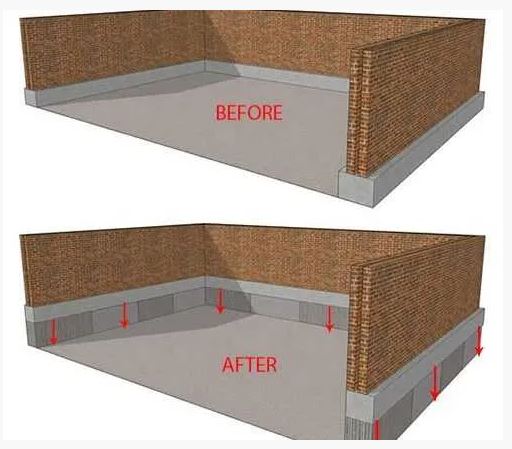
Figure 1: Basement Underpinning
3. Failing to Pull Proper Permits
It might seem like a shortcut to skip permits, especially if your contractor says they “do this all the time,” but it’s one of the most serious basement finishing mistakes you can make in Philadelphia. Any work involving framing, electrical, plumbing, or HVAC changes in a basement must be permitted and inspected by the Department of Licenses & Inspections (L&I).
If you’re caught without a permit, your project could be shut down, or worse, you could be required to tear out finished work to prove code compliance. It also becomes a huge liability when you try to sell the home later. Permits protect you, and they protect your investment. Hire a contractor who knows the Philadelphia L&I process and is willing to pull the appropriate permits for electrical, plumbing, mechanical, and even egress upgrades. Never risk your basement renovation just to save a few weeks of paperwork.
Read more here: 203(k) Permit Process in Philadelphia
4. Not Providing Legal Egress from Bedrooms
One of the most misunderstood basement finishing mistakes is adding a bedroom or living space without a proper egress. According to the 2018 Philadelphia Residential Code Section R310.1 Emergency Escape and Rescue Opening Required, every bedroom must have a second means of exit in case of fire, typically in the form of an egress window or exterior door. In Philly, this is not optional.
A small hopper window won’t cut it. If someone can’t safely climb out of that room, it’s considered a code violation. This is especially important in finished basements where homeowners are converting the space into a guest suite or rental unit. To stay compliant, install an egress window well or add a door leading directly outside. It’s an investment in safety and legality, and one that adds real value to the home.
However, keep in mind that windows or doors in your basement are essentially openings in your foundation, which play a critical structural role. Any time you cut into a masonry wall, that opening must be properly supported from both above and below. You can’t simply remove part of the foundation wall without reinforcing it; doing so could compromise the stability of the entire structure.

Figure 2: Egress Window for Basement
5. Installing the Wrong Flooring Over Concrete
This is a subtle but very common basement finishing mistake, and it usually shows up months after the job is “done.” Even if you poured new concrete or sealed the slab, Philadelphia basements remain naturally damp environments. If you lay laminate or engineered wood flooring directly on the slab without an appropriate vapor barrier and underlayment, moisture will eventually ruin your floors.
Instead, choose flooring materials designed for below-grade use. Luxury vinyl plank (LVP), tile, or sealed stained concrete are all great choices for Philly basements. Be sure to use underlayment systems that include a moisture barrier, especially under floating floors. It’s worth spending a bit more on the right materials upfront than having to redo everything after a moisture issue appears.
6. DIY Electrical and Plumbing Work
Philadelphia’s aging housing stock means electrical and plumbing systems are often outdated or unsafe. Trying to save money by doing this work yourself or hiring a handyman who’s not licensed for MEP trades is one of the most dangerous basement finishing mistakes. This kind of shortcut can easily fail inspection and become a safety hazard.
In finished basements, outlets often require AFCI and GFCI protection, and plumbing layouts need to accommodate new fixtures, proper venting, and tie-ins to existing lines. Always hire licensed tradespeople and make sure rough and final inspections are completed. In Philly, these inspections are required for sign-off. Skipping them not only voids your permits but can leave your insurance coverage at risk in case of an issue.
Ready to Finish Your Basement the Right Way?
Avoid these common basement finishing mistakes by working with a professional team that knows Philly homes inside and out. At Matrix Construction, we’ve helped hundreds of homeowners transform basements into legal, beautiful living spaces that meet code, pass inspection, and last for decades.
If you’re considering a basement remodel, start with a Free Consultation. We’ll review your goals, inspect your current setup, and help you avoid the costly pitfalls that trip up most homeowners.
Planning a project in Philadelphia or South Jersey?
MatrixGC is a licensed Philadelphia general contractor (#43984). Learn about our basement finishing and waterproofing, see Basement finishing cost in Philadelphia, or get a free estimate. Call (215) 501-7566.




0 Comments