
When it comes to affordable home additions, Philadelphia homeowners are in a unique position. The city’s iconic row homes, deep lots, and zoning quirks present both opportunities and challenges. But with the right strategy, you can add livable space without draining your wallet.
Whether you’re hoping for an extra bedroom, a home office, or a stylish roof deck, these budget-conscious addition ideas work especially well in Philly neighborhoods.
Below are 7 of the most effective and affordable home additions tailored to Philly properties. Let’s go over them!
1. Rear Bump-Out Addition
A rear bump-out is a small-scale extension of the existing structure, typically pushing out the kitchen or living room area into the backyard by about 4 to 10 feet. In a dense city like Philadelphia, especially in neighborhoods with deep but narrow lots, this type of addition is a game-changer. It’s perfect for row homes that feel cramped but don’t require a full new floor or costly renovation.
Rear bump-outs are particularly helpful in expanding kitchens, which are often tight in older homes. Even a few feet can make room for a breakfast nook, more cabinet space, or a more open floor plan. These additions often stay within the zoning limitations if they are under 200 square feet, making the permitting process simpler.
Costs generally range from $10,000 to $30,000, depending on whether plumbing and structural changes are needed. If you keep the layout simple, such as just adding square footage without moving major systems, the savings can be substantial.
2. Basement Finishing or Dig-Out
Many Philadelphia homes have full-height basements that remain unfinished or are used for storage. Finishing the basement is one of the most cost-effective ways to add livable space without altering the exterior structure.
Basement renovations can be tailored for a variety of uses: family rooms, guest bedrooms, game rooms, home gyms, or even as Accessory Dwelling Units (ADUs) that can be rented. If your basement already has sufficient ceiling height (usually at least 7 feet), the work mostly involves framing, drywall, lighting, flooring, and insulation.
In some cases, digging out the basement floor can increase ceiling height, but this comes with additional cost and complexity, especially if underpinning is required.
A basic basement finish might cost $30,000, while dig-outs and more elaborate layouts can reach $60,000. Avoid relocating HVAC or plumbing systems unless necessary to help control costs.

3. Attic Conversion
If your home has a pitched roof with enough height and existing floor support, converting your attic into living space is a great way to create a new bedroom, office, or studio. This is especially true in older homes found in neighborhoods like Germantown, West Philly, and Mt. Airy.
Attic conversions don’t require changes to your home’s footprint, which helps avoid zoning complications. The most important considerations are ceiling height (at least 7 feet in more than half the space), proper egress (a window or staircase), insulation, and ventilation.
Spray foam or batt insulation is often added between rafters, and dormer windows can enhance headroom and natural light. Skylights are another cost-effective option.
Budgets for attic conversions typically fall between $20,000 and $50,000. This type of project is perfect for homeowners looking to maximize unused square footage while keeping structural alterations to a minimum.

4. Roof Deck with Pilot House Access
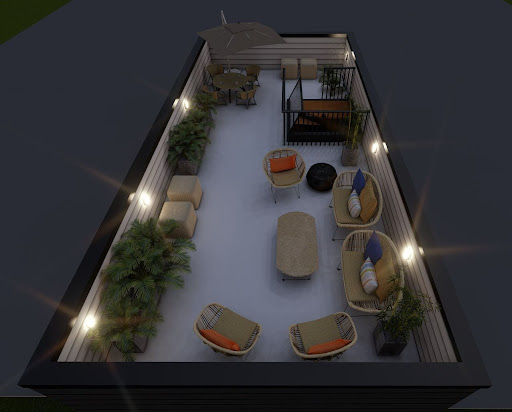
Philadelphia’s flat roofs make roof decks a popular and functional addition. A roof deck transforms unused space into an outdoor living area for relaxing, dining, or entertaining without extending the building footprint.
Access is typically provided through a pilot house, a small, code-compliant structure that houses a staircase from the interior of the home. This method not only maintains aesthetics but also keeps the access secure and protected from the weather.
Key considerations for roof decks include structural load capacity, drainage, fire safety, and setbacks. In most cases, the existing roof structure needs to be reinforced to handle the added weight of decking materials and people.
Costs for this addition range from $35,000 to $60,000. While the investment is higher than a simple interior finish, the added resale value and lifestyle improvement can be substantial.
5. Garage Conversion to Living Space
In areas of Philly like Northeast, South Philly, and Overbrook, many properties have detached or rear-access garages that are no longer used for cars. These structures are often underutilized or simply serve as oversized storage sheds.
Converting a garage into a home office, gym, or in-law suite is one of the affordable home additions to expand your home’s functional area. Since the exterior shell is already there, much of the investment goes toward insulation, electrical, plumbing (if needed), windows, and interior finishes.
You’ll need to upgrade the flooring, possibly add HVAC (a ductless mini-split works well here), and convert the garage door into a wall with windows or an entrance.
Depending on scope, garage conversions in Philadelphia typically cost between $15,000 and $40,000.
6. Sunroom or Enclosed Porch
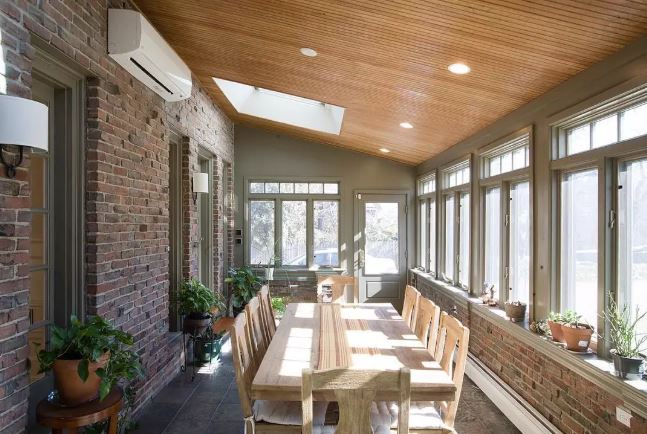
A sunroom or three-season room can be added at the back of a home or on an existing porch. It’s a great way to gain extra square footage for a casual living space without committing to a full foundation or year-round HVAC.
These rooms usually feature large windows or sliding doors and are often used as reading nooks, indoor gardens, or playrooms. Depending on how much insulation and heating/cooling you add, they can be seasonal or fully integrated into the main house.
In Philadelphia, a sunroom can often be added without needing a zoning variance, especially when it stays within existing property lines.
Costs typically range between $12,000 and $25,000. Choosing vinyl windows, modular wall panels, and slab-on-grade foundations keeps it affordable.
7. Mini 3rd-Floor Additions
A full third-story addition is a major undertaking, but many homeowners opt for a partial or “mini” third-floor addition to add a master suite, home office, or guest space. This is common in RSA-5 zoned row homes where vertical expansion is allowed with proper setbacks.
A mini 3rd-floor addition may span only the rear portion of the roof but still provide dramatic improvements in layout and property value. These additions typically involve framing a new floor structure, adding exterior cladding, roofing, insulation, windows, and finishes.
While they are more costly than interior-only projects, they add actual square footage and often qualify for resale appraisal boosts. Expect budgets between $60,000 and $120,000, depending on finishes, access, and whether roof decks are included.
Be prepared for full architectural plans and zoning permit applications. Matrix Construction can manage this process from start to finish.
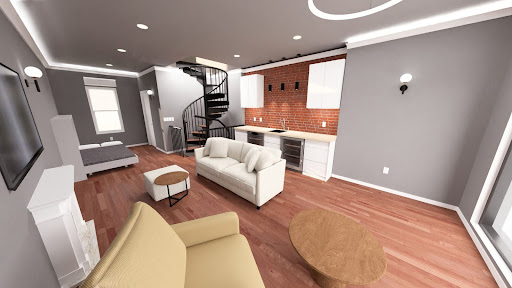
Table 1: Summary of Affordable Home Additions in Philadelphia
| Addition Type | Why It Works in Philly | Estimated Cost Range |
| Rear Bump-Out Addition | Works well with deep but narrow lots; adds space without major zoning issues. | $10,000–$30,000 |
| Basement Finishing or Dig-Out | Many basements already have adequate height; utilizes existing space. | $30,000–$60,000 |
| Attic Conversion | Older homes often have usable attics with high-pitched roofs. | $20,000–$50,000 |
| Roof Deck with Pilot House Access | Flat roofs are common; doesn’t increase the footprint; great for outdoor space. | $35,000–$60,000 |
| Garage Conversion to Living Space | Many Philly homes have underused garages in the rear or side yards. | $15,000–$40,000 |
| Sunroom or Enclosed Porch | Easy to build on existing porches or rear space; doesn’t require full HVAC. | $12,000–$25,000 |
| Mini 3rd-Floor Additions | Zoning often allows vertical expansion with setbacks, especially in RSA-5 zones. | $60,000–$120,000 |
Tips to Keep Additions Affordable in Philadelphia
To get the most out of your budget while complying with Philly codes, keep these tips in mind:
- Use what you have. Finish basements, attics, or garages before building new structures.
- Simplify plumbing. Avoid moving kitchens and bathrooms if you can reuse existing connections.
- Stick to 200 square feet or less if possible to avoid complex zoning requirements.
- Bundle permits. Applying for all necessary approvals at once can save on soft costs.
- Ask about 203(k) loans. These are great for homeowners and investors looking to finance both purchase and renovation.
- Plan in phases. Matrix can help you structure projects in manageable stages to fit your financial goals.
Conclusion
At Matrix Construction, we specialize in custom, affordable home additions designed specifically for Philadelphia homes. From feasibility checks and 3D designs to permits and final inspections, Matrix handles every step with transparency and expertise.
Our clients include first-time buyers, growing families, and experienced investors, all looking to increase the functionality of their homes without blowing their budgets.
Thinking about expanding your home? Let Matrix help you explore what’s possible.
Schedule a FREE Consultation or call us at (215) 501-7566.


0 Comments