In this article, we are going to talk about roof repair vs replacement in Philadelphia.
Roofs are an essential part of every home, protecting it from the elements and ensuring the safety and comfort of the people inside. Over time, all types of roofs, whether flat, shingled, or metal, can experience wear and tear, leading to leaks, cracks, or other signs of damage. Deciding whether to repair or replace your roof can be challenging.
This article covers:
- When to repair your roof
- When to replace your roof
- Factors to consider when deciding between roof repair vs. replacement
- A detailed cost comparison for roof repair and replacement in Philadelphia
- Signs to look for in various types of roofs to determine if replacement is needed
Let’s get started!
Factors to Consider When Deciding Between Roof Repair vs Replacement in Philadelphia
Deciding whether to repair or replace your roof requires evaluating several key factors. It’s important to consider the specific needs of your roof type, its age, and the overall damage. Here are some of the most critical factors to think about:
- Extent of Damage: If the damage is minor, such as small leaks or a few missing shingles, repairs can often extend the life of your roof. However, widespread damage or multiple issues across the roof might indicate that replacement is a more cost-effective and long-lasting option.
- Roof Age: The age of your roof is one of the most important indicators. For example, if your roof is 20-30 years old, it’s likely that repairs won’t be enough to provide the protection your home needs. A replacement could offer better value in the long run.
- Recurring Problems: Frequent repairs often signal that the roof is nearing the end of its lifespan. If you’re making multiple repairs over the years, it might be time for a replacement.
- Structural Integrity: Sagging areas, visible mold, or water damage inside the attic could suggest that the roof’s structural integrity has been compromised. In these cases, replacement is usually the safest option.
- Cost Comparison: If the cost of repairs starts to approach the cost of replacing the roof, replacing it may ultimately be a smarter financial investment.
- Future Plans: If you plan on selling your home soon, a new roof could increase its market value and curb appeal. Conversely, if you plan to stay in the home long-term, strategic repairs could save you money. According to Angi, “Homeowners can recoup anywhere from 20% to 50% of the cost of a roof replacement but this will depend more on local market conditions than anything else.”
When to Replace Each Type of Roof
Each roof type has its own signs of wear and tear, so it’s important to recognize when each one needs to be replaced. Here’s a breakdown of when to replace the most common roof types:
Shingled Roof
Shingled roofs are popular in residential homes and typically last around 20-30 years. However, several signs indicate it’s time for a replacement:
- Curled or Buckled Shingles: If you notice shingles curling up at the edges or buckling, the roof is no longer providing adequate protection.
- Missing Shingles: A few missing shingles may be repairable, but if large sections are missing, the roof’s protective integrity is compromised.
- Granule Loss: Shingles that are losing granules (visible in your gutters) indicate that the roofing material is deteriorating.
- Age: If your roof is older than 20 years, it’s probably time for a replacement, especially if you’re seeing multiple signs of damage.
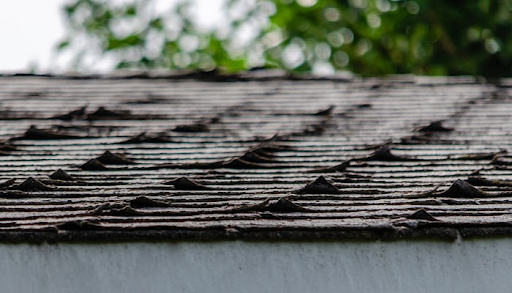
Figure 1: Curled Roof Shingle
Flat Roof
Flat roofs are common in both residential and commercial buildings, but they can face specific issues like drainage problems. Here’s when to replace a flat roof:
- Pooling Water: If there are areas of standing water on your flat roof, it may be causing significant long-term damage to the membrane.
- Tears or Cracks: Large tears or cracks that can’t be effectively patched indicate that the roof’s material is failing.
- Blistering or Bubbling: If you notice bubbles or blisters forming, water has likely become trapped under the roofing membrane, causing further damage.
- Sagging: A sagging roof is a clear sign of structural problems and often indicates that the decking beneath the membrane is compromised.
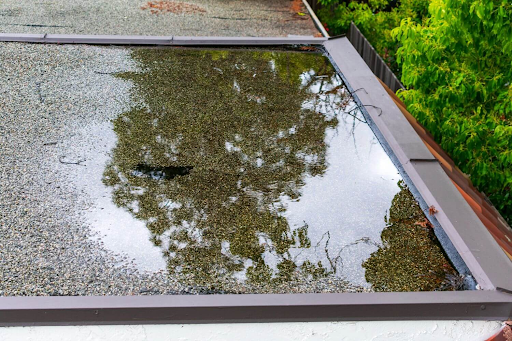
Figure 2: Pooling Water on Flat Roof
Metal Roof
Metal roofs are known for their durability, but they also have a finite lifespan. If you see any of the following signs, it may be time to replace the roof:
- Rust or Corrosion: Rust is one of the most common problems with metal roofs, and once it starts to spread, it can weaken the roof’s integrity.
- Loose or Missing Panels: If panels are coming loose or missing, it’s important to have the roof replaced, as this could lead to further water damage.
- Cracking or Pitting: Over time, metal can develop cracks or pits, especially from hail or debris, leading to further deterioration.
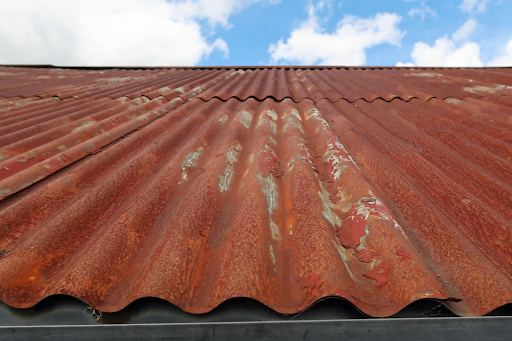
Figure 3: Rusted Metal Roof
Tile or Slate Roof
Tile and slate roofs can last longer than other roof types, but they are still susceptible to certain issues that require replacement:
- Cracked or Broken Tiles: Small amounts of damage might be repairable, but widespread cracks or broken tiles often necessitate a full roof replacement.
- Heavy Moss or Lichen Growth: If moss or lichen is growing beneath the tiles, it could be a sign of trapped moisture, which can lead to more severe damage.
- Age: Tile and slate roofs can last 50-100 years, but once they start showing significant wear and damage, they will need replacing.
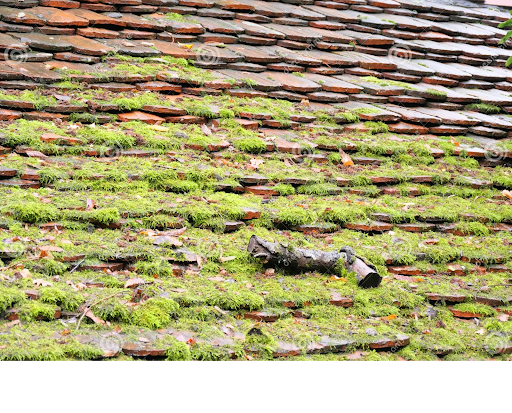
Figure 4: Dense Moss Growth on a Tile Roof
Cost Comparison for Roof Repair vs Replacement in Philadelphia (2025)
The costs associated with repairing or replacing a roof can vary depending on the type of roof, the materials used, and the extent of the damage. Based on industry data for Philadelphia in 2025:
- Roof Repair Costs:
- For shingle roofs, repairing a small leak or missing shingles usually costs between $300 and $1,500.
- Flat roof repairs can range from $500 to $2,500, depending on the severity of the damage.
- Metal roof repairs can cost anywhere from $400 to $1,500, depending on the damage and accessibility.
- Roof Replacement Costs:
According to Angi, the average cost for a full roof replacement in Pennsylvania is $7,321.
- Shingle roof replacement typically costs between $5,000 and $9,000 for a 1,000-square-foot home.
- Flat roof replacement costs between $6,000 and $12,000, depending on the roofing material (TPO, EPDM, or built-up roofing).
- Metal roof replacement can be quite expensive, ranging from $10,000 to $20,000, depending on the size of the roof and the type of metal.
- Tile or slate roof replacement usually costs $12,000 to $25,000 due to the labor-intensive nature of installation.
For more detailed pricing and accurate cost estimates, it’s important to contact a local contractor. You can find cost comparisons and estimates on trusted resources like HomeAdvisor and Angie’s List.
Conclusion
Choosing between roof repair vs replacement in Philadelphia can be a difficult decision for homeowners in Philadelphia, but understanding the signs of damage and knowing the costs associated with each option can help you make an informed decision. Whether you have a shingle, flat, metal, or tile roof, it’s essential to consider factors like age, extent of damage, and future plans for your home.
At Matrix Construction, we are a trusted general contractor in Philadelphia with years of experience in all kinds of renovation services including roofing repairs and replacements. If you’re unsure whether to repair or replace your roof, reach out to us for a FREE Consultation, and we’ll guide you toward the best decision for your home. Contact Matrix Construction today!
Planning a project in Philadelphia or South Jersey?
MatrixGC is a licensed Philadelphia general contractor (#43984). Learn about our whole-home renovations, see Philadelphia general contractor, or get a free estimate. Call (215) 501-7566.



![Comprehensive Guide to Skylight Installation on a Roof Deck [2026 Guide]](https://matrixgc.com/wp-content/uploads/2025/06/Skylight-Installation-400x250.jpg)

0 Comments