
Philadelphia is famous for its historic homes, with stunning architectural designs that reflect the city’s rich cultural heritage. Many of these properties require significant renovations to modernize their features or improve their structural integrity. The solution to this problem is a 203(k) Renovation Loan.
This is a type of loan offered by the Federal Housing Administration (FHA) that can be used to renovate and repair homes. It targets homes that need major repairs. As a result, it suits owners who want to keep a home’s history while improving it. A 203(k) loan also allows homebuyers to borrow funds to purchase a property and make necessary renovations or repairs using a single loan. You can use this loan to customize your renovations to suit your specific needs while improving the overall value of your property.
In this article, we will explore five reasons why 203(k) renovations are perfect for Philadelphia’s historic homes. So let’s get down to it.
Buying with a 203(k)? MatrixGC is a Philadelphia 203k contractor certified by the 203k contractors directory. We write lender-ready bids and handle draws and permits.
A Brief History of Philadelphia’s Homes
Philadelphia’s history is a long and fascinating one, and the city’s homes are no exception. From its earliest colonial days to its modern-day revival, Philadelphia’s homes have gone through a variety of changes and styles.
In the 17th century, Philadelphia’s homes were mostly simple, one-room structures made of logs or bricks. The row house was introduced to the United States via Philadelphia in this century.
During the 18th century, Philadelphia was one of the most important cities within the American colonies. Many of the homes built during this period reflected the city’s economic and social growth. In this era, brick structures became common. Builders designed many prominent homes of this era in the Georgian style, with symmetrical facades, columned entryways, and multi-paneled windows (see Figure 1).
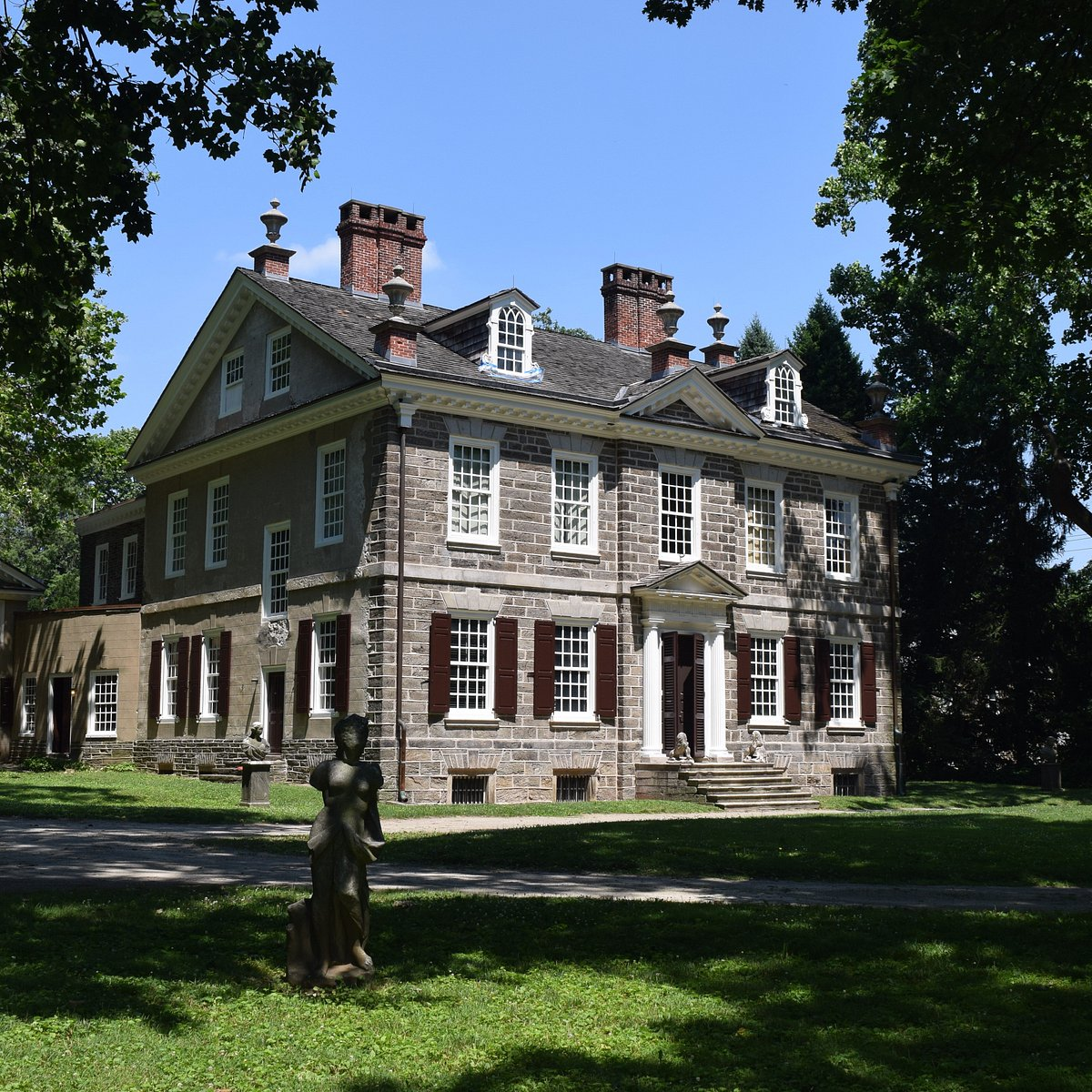
- Figure 1: Cliveden (Benjamin Chew) House
In the early 19th century, builders completed a group of row houses known as Carstairs Row. William Sansom had purchased a block of land between Walnut Street and Sansom Street. Sansom built Union Row along Walnut Street, and Thomas Carstairs built Carstairs Row along Sansom Street.
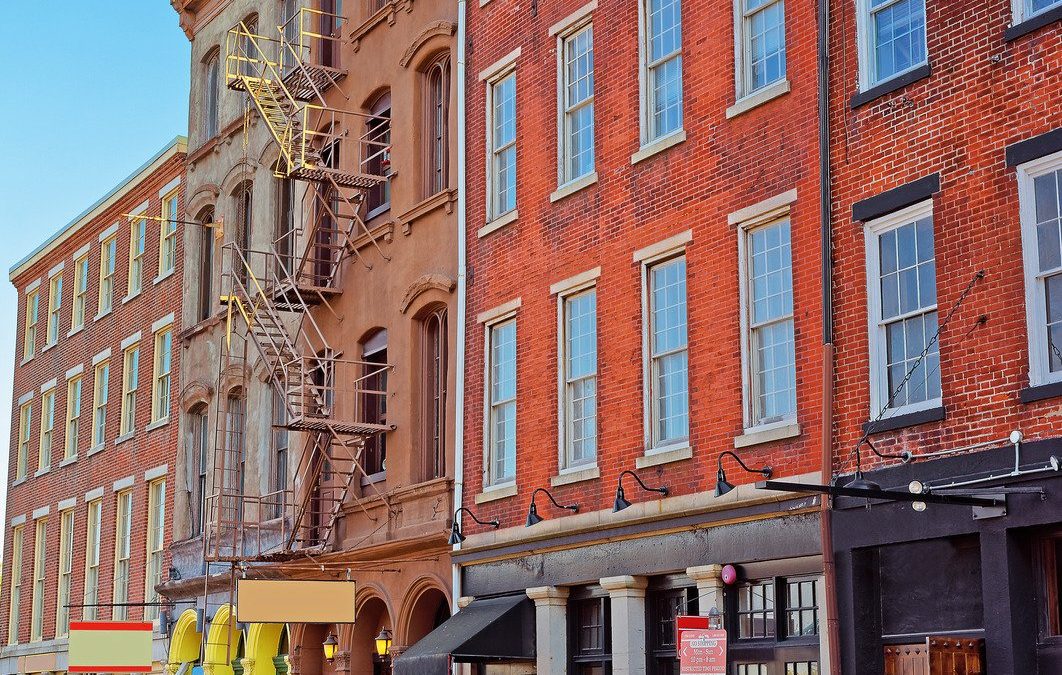
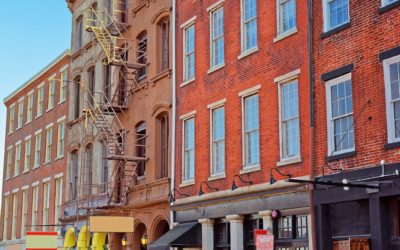
Most of these buildings have undergone updates and renovations over time. The original detail is still visible only at 700 Sansom Street. The building now serves as the centerpiece of Jewelers’ Row, the nation’s first jewelry district (see Figure 2).

Figure 2
Builders, often Stephen Girard, kept constructing multi-story brick row homes. Meanwhile, marble mansions rose and granite fronts became popular.
20th-century homes
The early 20th century saw the rise of the Arts and Crafts movement, which favored more natural materials and handcrafted details. Many homes of this time used stone, brick and wood. They also featured hand-carved moldings and decorative ironwork. You can find some of the most notable homes from this time in Chestnut Hill. One example is the High Hollow building by Goerge Howe (see Figure 3).


Figure 3
The Carl Mackley Apartments, a low-cost housing development, went up between 1933 and 1934. The American Union of Hosiery Workers commissioned the apartments and they hired Oskar Stonorov to design the apartments. At that time, the layout of the apartments, which included gardens, lawns, play areas, and underground garages, represented new architectural innovations (see Figure 4).

Figure 4: Carl Mackley Apartments in 2010
Finally, tax reductions established in 1997 and 2000 contributed to Center City’s condominium boom. In the 2000s, developers turned old buildings across the city into luxury condos.
Overall, the history of Philadelphia’s homes reflects the city’s economic, social, and cultural development over the centuries. From the grand Georgian homes of the 18th century to the contemporary designs of the 21st century, Philadelphia’s homes continue to shape the city’s identity and provide a glimpse into its rich history.
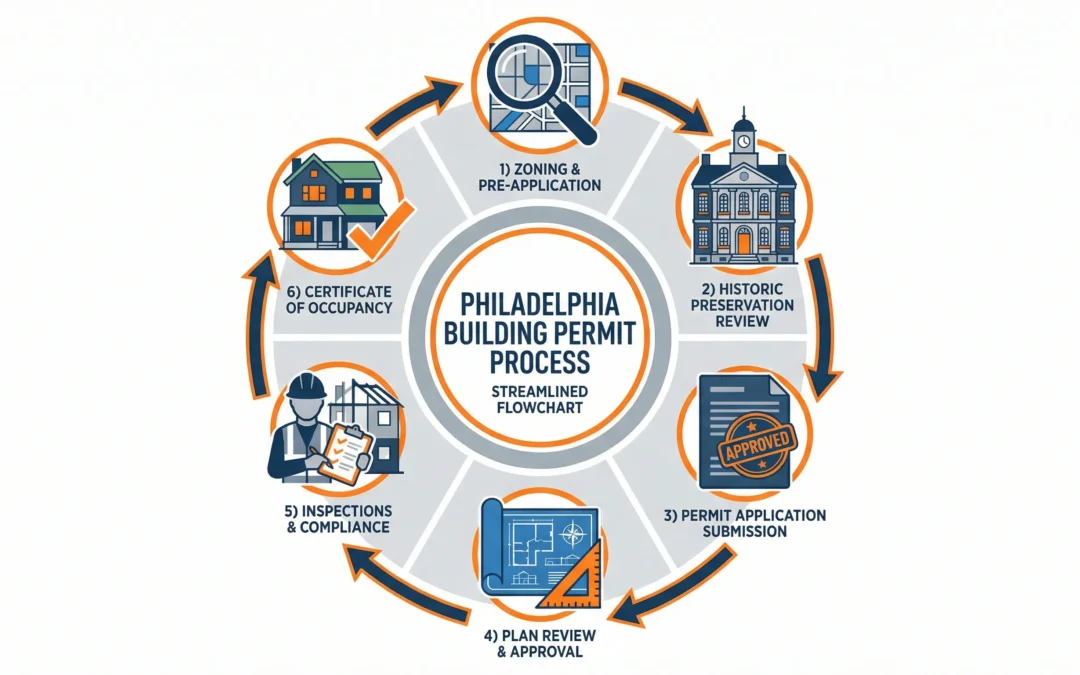
Why Use a 203(k) Loan
There are numerous benefits to using a 203(k) loan to renovate Philadelphia’s historic homes. In this section, we have outlined the five most important reasons.
1. The Opportunity to Buy a Historic Home that Needs Work
One of the reasons why a 203(k) loan is an ideal option is it provides an opportunity to own a historic home. Philadelphia is home to numerous historic properties, many of which are in need of repair and modernization. These properties often have unique architectural features and a rich cultural heritage, making them desirable for homebuyers interested in preserving the city’s history.
The 203(k) loan provides a convenient financing option for homebuyers who wish to buy a historic home, as it allows them to finance the purchase and renovation costs with a single loan.
2. Provides the Money Needed to Fix up Your Historic Home
Another primary reason to use a 203(k) loan to renovate a Philadelphia historic home is that it provides the homeowner with the money they will need to fix up the home. Many historic homes in Philadelphia require extensive renovation work. This work can include upgrades to electrical, plumbing, and HVAC systems, repairing or replacing the roof and siding, and restoring original woodwork and other historic features.
The cost of these repairs and renovations can be significant, and many homeowners may not have the necessary funds to complete them without taking out a loan. A 203(k) loan provides an affordable financing option allowing homeowners to borrow the funds needed to repair and renovate their historic house. This can help ensure that the home remains structurally sound and aesthetically pleasing while preserving its unique history for future generations to enjoy.
3. Improve Your Home’s Overall Value
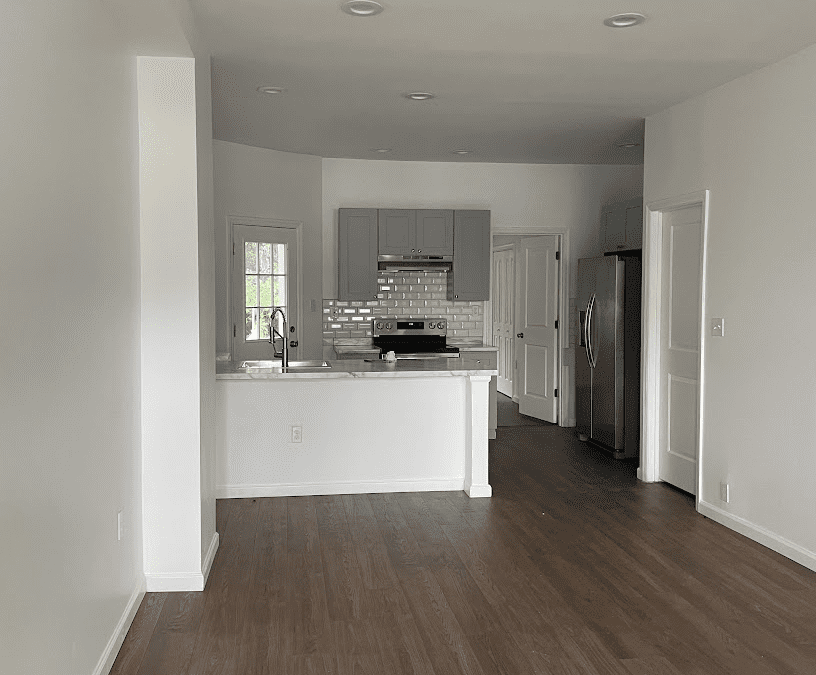
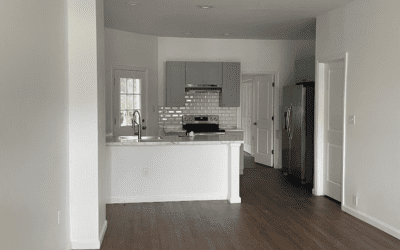
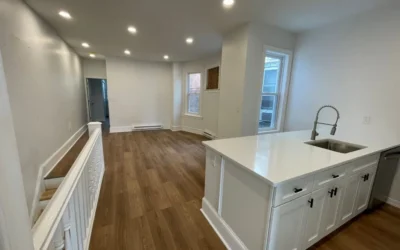
Renovating a historic home with a 203(k) loan can be a smart investment. A 203(k) renovation loan not only makes the home more livable but also increases its value. For example, replacing outdated plumbing or electrical systems with modern, energy-efficient alternatives can save homeowners money on utility bills and make the home more attractive to potential buyers. Additionally, cosmetic upgrades such as new paint or flooring can give the home a fresh, modern look, making it more desirable on the market.
Keeping the historic character while adding modern amenities raises the home’s value.

Figure 5
4. Modernize Your Historic Home
Renovating a historic home with a 203(k) loan provides homeowners with the opportunity to modernize their property without sacrificing its unique architectural features. Some owners fear modernizing will erase a home’s character. In fact, it often makes the home more livable and efficient.
A 203(k) can finance efficient HVAC, plumbing and electrical systems. These lower bills and the home’s carbon footprint. Additionally, modernizing a home can provide convenience and comfort, such as the addition of new appliances or updated bathrooms and kitchens.
So you get the best of both worlds: historic character and modern comfort.
5. Preserve Your Home’s History
One of the biggest concerns when renovating a historic home is preserving its unique features. It is important to ensure that any new additions or upgrades are consistent with the home’s original style and character.
Many of Philadelphia’s historic homes are architectural treasures that showcase the city’s cultural heritage. These homes may have unique features such as original woodwork, windows, and doors that require restoration or repair to maintain their authenticity. By using a 203(k) loan to finance the renovation work, you can preserve these historic features for the future.
Conclusion
In a nutshell, there are numerous reasons why using a 203(k) loan is an excellent option for renovating a historic home. Over the past few years, the 203(k) program has been popular among homebuyers. Their many advantages, outlined above, explain their popularity. These benefits explain why so many Philadelphians use the program.
Matrix Company Solutions Corp. is a certified 203(k) contractor in Philadelphia with over 25 years of experience helping homeowners make their renovation dreams a reality. Whether you are looking to modernize your home or simply make necessary repairs, our team of experts is here to help. We provide a comprehensive range of remodeling services, ranging from renovating individual rooms to adding additions to complete home remodels. Contact us today to learn more about how we can assist you in your renovation project.
Planning a project in Philadelphia or South Jersey?
MatrixGC is a licensed Philadelphia general contractor (#43984). Learn about our 203(k) and renovation-loan projects, see How long a 203(k) takes, or get a free estimate. Call (215) 501-7566.


0 Comments