
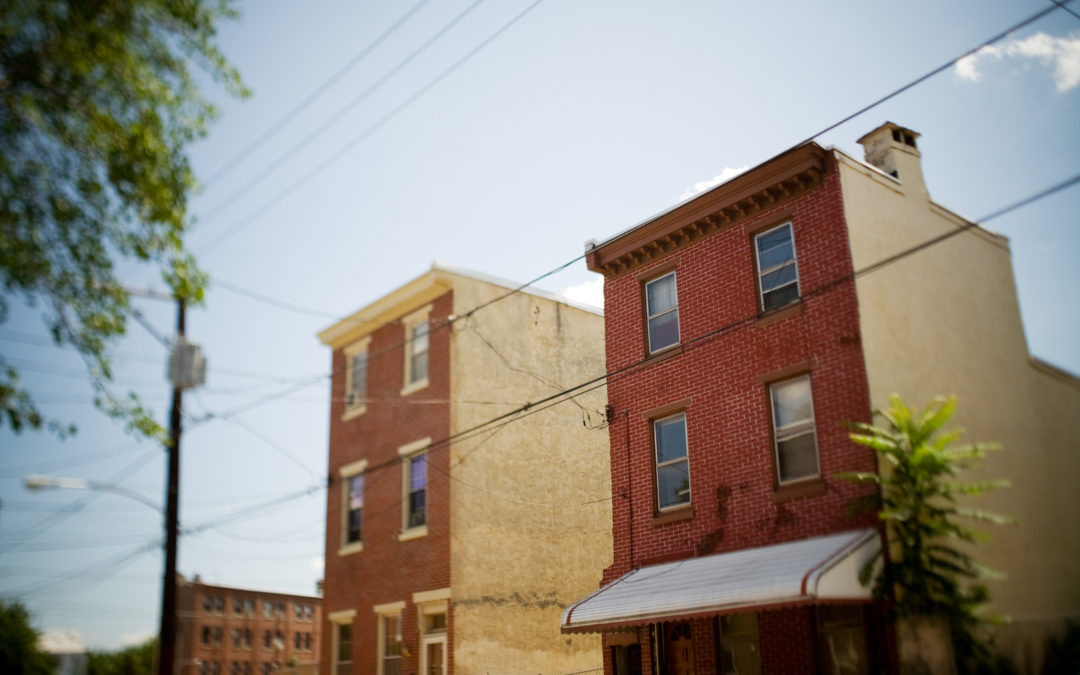
Short answer: buying a fixer-upper in Philadelphia can be a smart move, but only if you know what you are buying. Most city homes are 80 to 120 years old. So, before you make an offer, check the roof, the structure, the sewer line, the wiring and the City records. Then bring a contractor to price the work.
The big-ticket items to check first
These are the repairs that can sink a budget. Therefore, look at them before anything else.
1. Roof
Most rowhomes have a flat roof. Look for ponding water, patches and stains on the top-floor ceiling.
2. Structure
Check for sagging floors, cracked joists and bowing walls. Star bolts on the front wall mean the wall was tied back at some point.
3. Sewer lateral
The pipe from the house to the street is the owner’s job. A camera scope costs little and can save you thousands.
4. Electrical
Look for knob-and-tube wiring, fuses or 60-amp service. Any of these usually means a rewire and a new panel.
5. Plumbing
Galvanized supply pipes and old cast iron stacks are common. In addition, check the water pressure on the top floor.
6. Basement water
Stains, mold and white crust on the walls point to water problems. See our basement waterproofing guide.
The City records most buyers skip
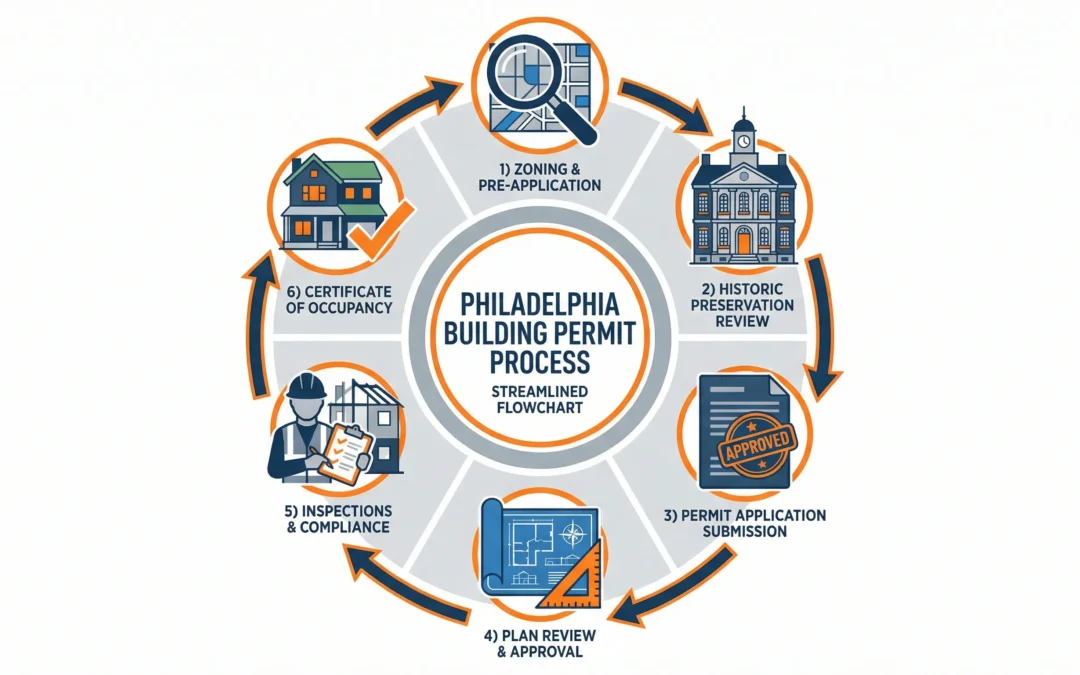
Philadelphia keeps public records on every property. For example, the City’s Atlas map shows permits, open violations and the zoning district for free.
- 7. Open violations. An L&I violation can transfer to you. As a result, you may have to fix it on a deadline.
- 8. Open or missing permits. Past work without permits may need to be opened up and inspected.
- 9. Zoning. If you want to add a unit or build up, the zoning must allow it. Read how to convert a house to a duplex in Philadelphia.
- 10. Lead paint. Homes built before 1978 may contain lead paint. If you plan to rent, Philadelphia requires lead-safe or lead-free certification for most pre-1978 rentals.
- 11. Party walls. Cracks or water coming through a shared wall may involve your neighbor, so ask about it early.
- 12. Heating and hot water. Old boilers and water heaters are cheap to inspect and expensive to replace.
Get a contractor in before you offer
A home inspector tells you what is wrong. A contractor tells you what it costs. That is why we suggest a walkthrough with both before the inspection period ends.
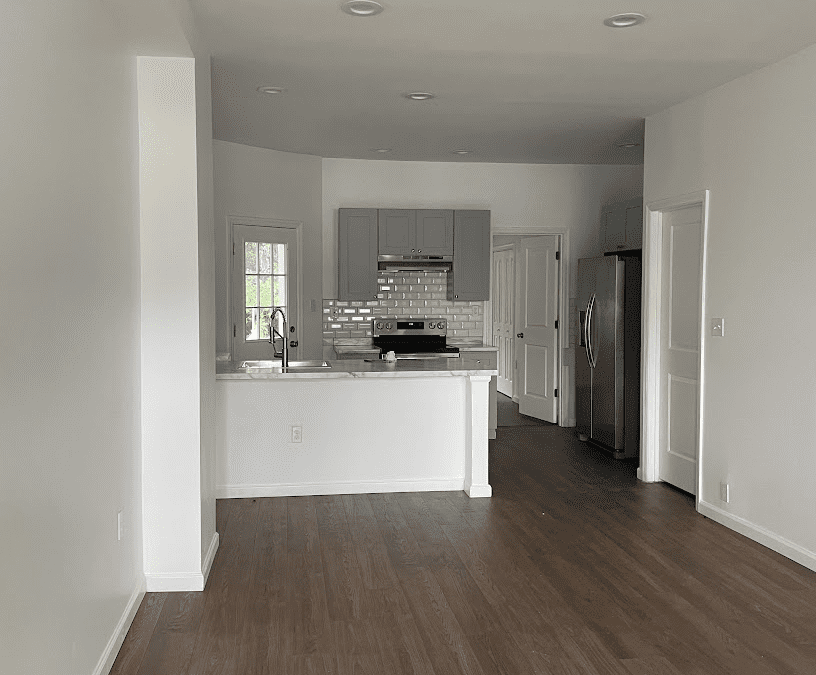
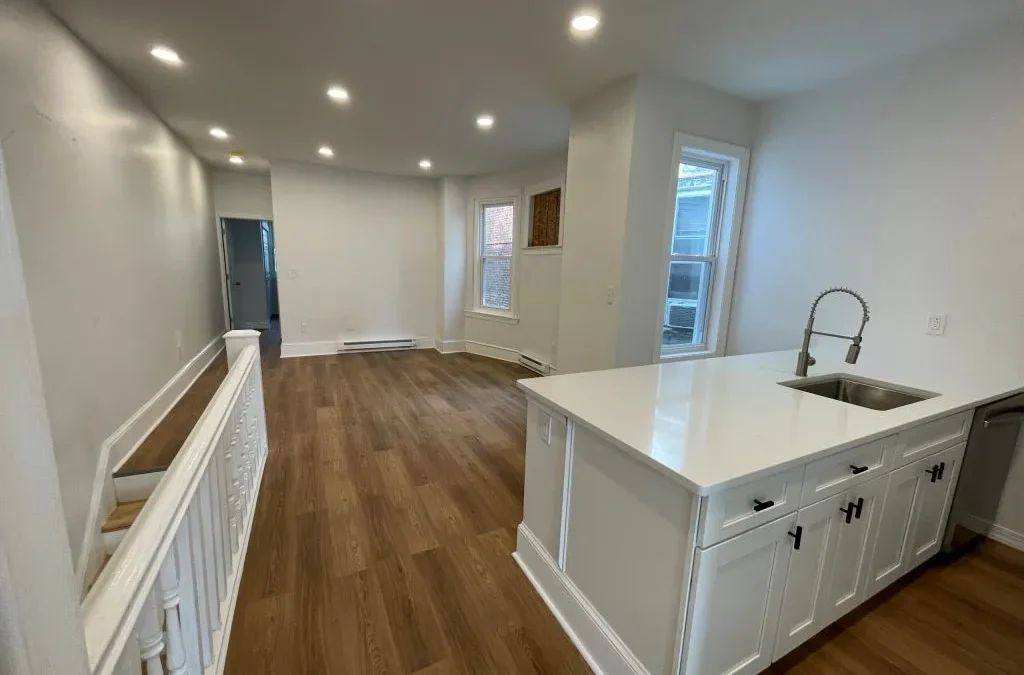
For example, a quick walkthrough can show whether you need a light refresh or a full gut renovation. Likewise, it helps you set a fair offer price.
Use a 203(k) loan to buy and fix it
An FHA 203(k) loan lets you buy the house and pay for the repairs with one mortgage. The lender needs an itemized contractor bid before closing, so start early. Our 203(k) loan timeline shows how long each step takes, and this guide explains the inspection.
We often step in on houses like these. For instance, on N Hollywood St, the first contractor left and we finished the job.
Looking at a fixer-upper?
Send us the listing. We will walk the house with you and give you a clear, itemized bid before your inspection period ends.
Fixer-upper FAQs
Is it worth buying a fixer-upper in Philadelphia?
It can be, if the price leaves room for the repairs. Check the roof, structure, sewer line, wiring and City records first, and get a contractor bid before your inspection period ends.
What should I check before buying an old house in Philadelphia?
Start with the roof, structure, sewer lateral, electrical, plumbing and basement water. Then check the City Atlas map for open violations, permits and zoning.
Can I buy a fixer-upper with an FHA loan?
Yes. An FHA 203(k) loan finances the purchase and the repairs in one mortgage. The lender will need an itemized bid from a contractor before closing.
Who pays for open violations on a Philadelphia house?
Open L&I violations can stay with the property, so the new owner may have to fix them. Check the address on the City Atlas map before you make an offer.
Should I bring a contractor to a home inspection?
It helps. An inspector lists the problems, while a contractor can price the repairs so you know the true cost before you commit.
Related guides and services
Sources: City of Philadelphia, Atlas property records and L&I lead certification guidance; HUD 203(k) program rules.

0 Comments